


Sacred Valley of the Incas
An Andean Treasure
The Sacred Valley of the Incas is a vast territory located in the Cusco region, southern Peru, encompassing the valleys of the Urubamba and Vilcanota rivers. This area was considered sacred by the Incas due to its fertility, natural beauty, and strategic location among the Andean mountains. Today, it is one of the most visited tourist destinations in Peru, renowned for its impressive archaeological sites, traditional markets, lush landscapes, and indigenous communities that continue to preserve their ancestral traditions.
The Sacred Valley is not only a place to explore Inca history but also to experience the profound connection between the land, its people, and Andean spirituality. It is an ideal destination for those seeking adventure, culture, and relaxation amidst nature.
Location and Access
The Sacred Valley of the Incas is located in the province of Urubamba, Cusco region, approximately 1–2 hours by car from the city of Cusco. Visitors travel along paved roads that pass through picturesque villages, farmlands, and breathtaking mountain scenery.
How to Get There
-
From Cusco, take a bus or private transport to the Sacred Valley (about 1–2 hours by car).
-
Many organized tours include transportation, guides, and visits to several archaeological sites and towns within the valley.
-
For a more active experience, visitors can hike or bike along portions of the valley.
Features of the Sacred Valley
-
Archaeological Sites:
The Sacred Valley is home to numerous Inca archaeological sites that reflect the empire’s grandeur. Some of the most remarkable include:-
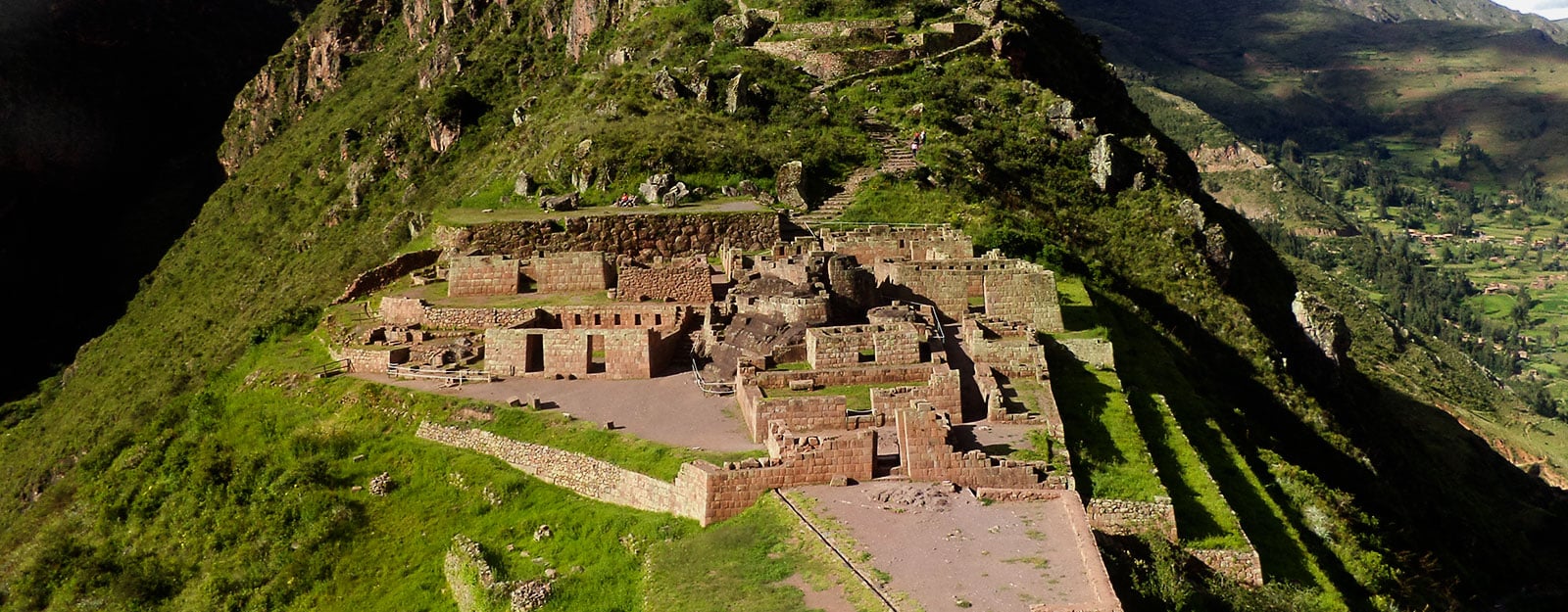
Pisac: Known for its terraced agricultural slopes, ceremonial temples, and traditional market.
-
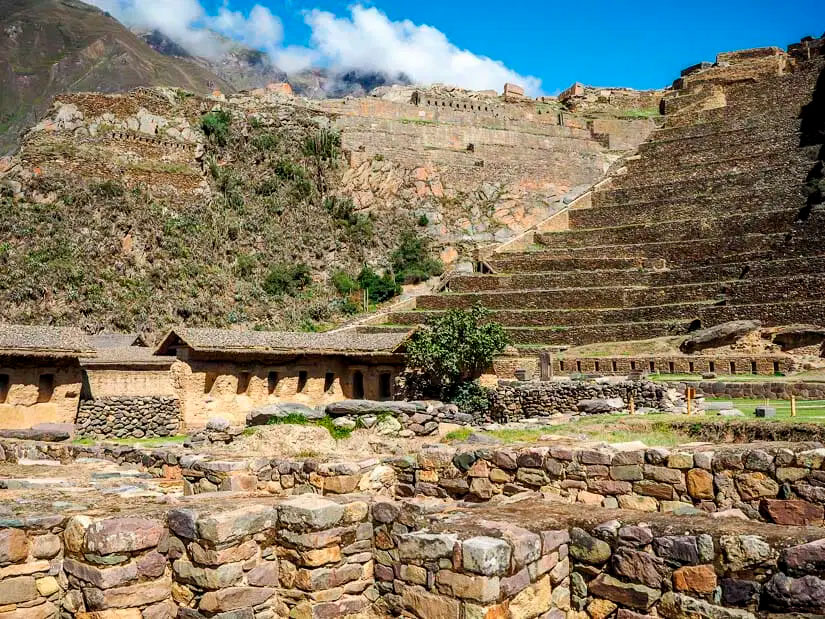
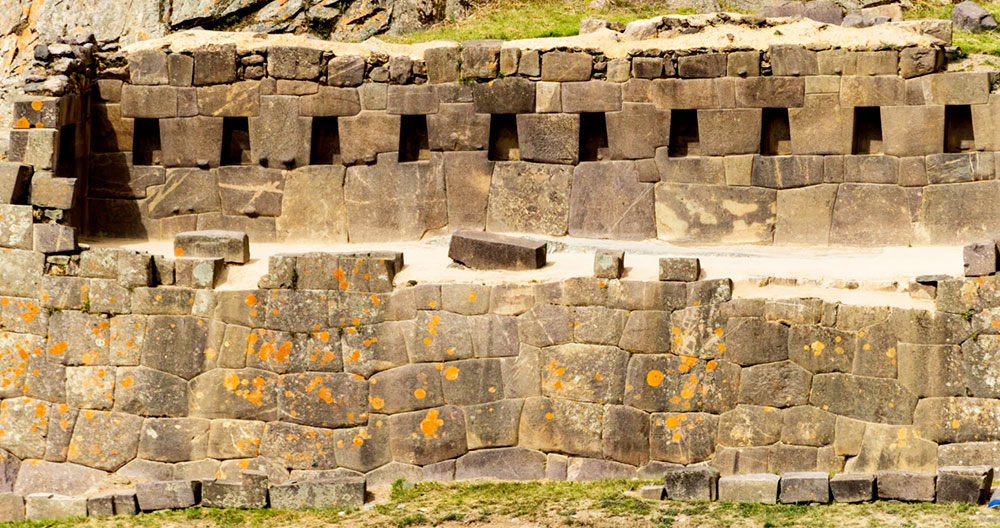
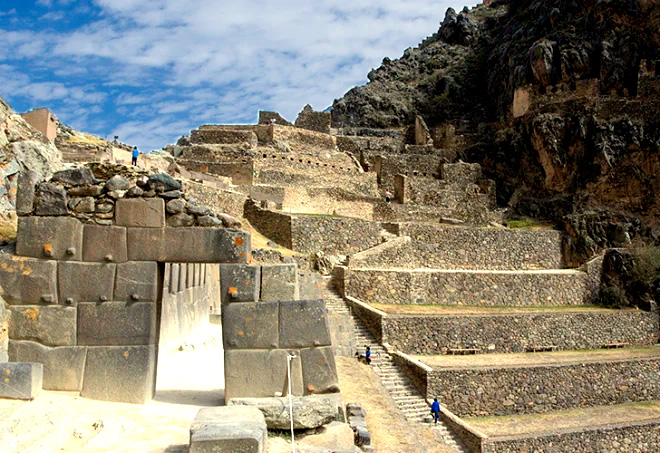
Ollantaytambo: A well-preserved Inca fortress featuring impressive terraces and cobblestone streets still in use today.
-
Moray: An Inca agricultural laboratory composed of concentric circular terraces simulating different microclimates.
-
Maras and the Salt Ponds: Ancient salt mines built by the Incas that are still operational, producing salt using traditional methods.
-
-
Natural Landscapes:
The valley is surrounded by majestic mountains, crystal-clear rivers, and farmlands producing maize, potatoes, and quinoa—staples of the Andean diet.
The combination of fertile valleys, snow-capped peaks, and cloud forests creates a unique and diverse ecosystem. -
Indigenous Communities:
In the Sacred Valley, many indigenous communities such as Chinchero and Patabamba preserve ancestral weaving traditions, agricultural techniques, and ceremonial practices.
Local markets, such as those in Pisac and Chinchero, offer visitors the opportunity to buy authentic handicrafts and learn about Andean culture. -
Spiritual Connection:
According to Andean cosmology, the Sacred Valley was a place of connection between the human world and the gods. Mountains, rivers, and fields were considered sacred and governed by principles of balance and harmony. -
Sustainable Tourism:
The Sacred Valley stands as a model of sustainable tourism that benefits local communities. Many initiatives promote cultural exchange, preservation of traditions, and environmental protection.
Recommended Activities
-
Exploration of Archaeological Sites:
Visit Pisac, Ollantaytambo, Moray, and Maras to learn about Inca engineering, agriculture, and spirituality. -
Visits to Traditional Markets:
Explore the markets of Pisac and Chinchero to purchase textiles, ceramics, and other crafts while engaging with local artisans. -
Photography:
The valley’s landscapes—featuring terraced hillsides, towering mountains, and cultivated fields—are perfect for capturing stunning images. -
Hiking and Biking:
Enjoy scenic hikes or bike rides along the valley trails to admire panoramic views and connect closely with nature. -
Relaxation in Countryside Hotels:
Stay in boutique hotels or colonial haciendas that offer comfort and direct contact with the natural surroundings. -
Cultural Learning:
Take part in weaving workshops, Andean ceremonies, or farming activities to experience the traditions and customs of local communities.
Tips for Your Visit
-
Best Season: The best time to visit the Sacred Valley is during the dry season (May to September), when the weather is more stable and sunny.
-
Altitude: Although the Sacred Valley is at a lower altitude than Cusco (about 2,800 meters above sea level), it is still important to acclimate properly to avoid altitude sickness. Drink plenty of water and avoid overexertion at first.
-
Proper Gear: Wear light clothing, sturdy walking shoes, and sun protection. It’s also advisable to bring water, light snacks, and a basic first aid kit.
-
Respect the Environment: Help preserve the natural and cultural beauty of the area by avoiding litter and following conservation rules.
-
Local Guide: Hiring a local guide is highly recommended, as they provide valuable insight into the history, architecture, and culture of the site.
Why Visit the Sacred Valley of the Incas
The Sacred Valley of the Incas is much more than a tourist destination—it is a place that connects visitors with the grandeur of the Inca Empire and the beauty of the Andean landscape. Its stunning scenery, unique archaeological sites, and traditional communities make it a truly special destination in southern Peru.
Additionally, its proximity to other major attractions such as Machu Picchu, Cusco, and the Inca Trail makes it part of a complete Andean experience. Whether you are interested in history, photography, or simply enjoying a peaceful day in nature, this place has something for everyone.
Exploring the Sacred Valley of the Incas is an opportunity to discover a fascinating side of Andean culture and Peru’s rich historical heritage—a country that never ceases to amaze with its cultural and natural wealth.



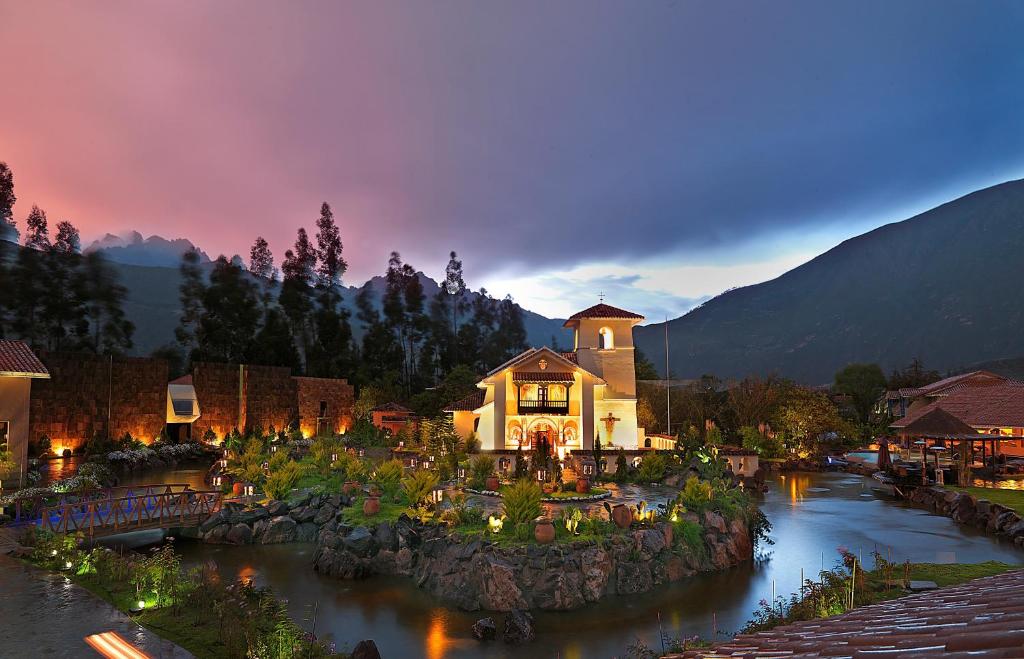

Destinos Destacados
-
AUSANGATE – Cusco
The Ausangate Lakes are a group of crystal-clea... -
Bosque seco del Marañon
El bosque seco del Marañón es un fascinante lug... -
Cañón del Colca
El majestuoso Cañón del Colca, en Arequi...

© 2026 All rights reserved. Naturatourism.com
Some images used on this website come from official and private sources, including PROMPERÚ, peru.travel, Wikimedia Commons, and local tourism agencies, for the sole purpose of tourism promotion and destination awareness.