


Mirador Tres Cruces in Paucartambo
The Most Spectacular Sunrise in the World
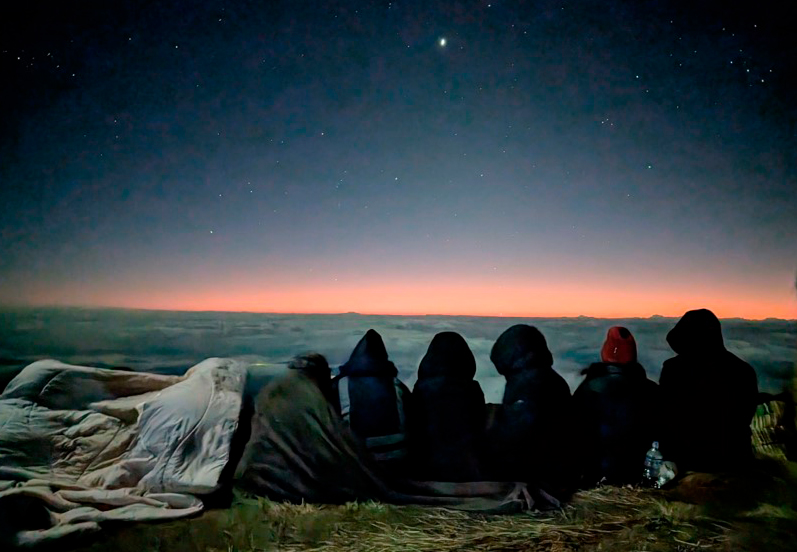
The Mirador Tres Cruces in Paucartambo, located 100 kilometers southeast of the city of Cusco, is known as the site of one of the most extraordinary natural phenomena on Earth: the “double sunrise” or “white ray.” This natural viewpoint, perched at 3,600 meters (11,800 feet) above sea level, offers a privileged view over the Manu Biosphere Reserve—one of the most biodiverse protected areas on the planet.
During June and July, especially at the time of the winter solstice, this magical place becomes a stage for a breathtaking spectacle where the sunlight interacts with the dense clouds of the tropical forest, creating surreal optical effects.
The Mirador Tres Cruces is not only a destination for nature lovers but also for those seeking to witness unique astronomical phenomena. It is also the perfect gateway to explore the Manu National Park, a true jewel of global biodiversity.
Location and Access
The Mirador Tres Cruces is located in the province of Paucartambo, in the Cusco region, at the transition between the Andes and the high jungle (ceja de selva). To reach it, travelers follow rural roads that wind through valleys, traditional villages, and breathtaking Andean landscapes.
How to Get There
-
From Cusco, drive southeast toward Paucartambo (approximately 4 hours by vehicle).
-
From Paucartambo, continue toward the Mirador Tres Cruces by 4x4 or local transport (approximately 2–3 hours).
-
The route includes winding roads and steep slopes, so a suitable vehicle is recommended.
-
Several organized tours include transportation from Cusco, making access easier.
Features of the Mirador Tres Cruces
-
Altitude and Strategic Location:
The viewpoint stands at 3,600 meters above sea level, offering a panoramic view over the Manu Biosphere Reserve, which stretches along the eastern slopes of the Andes.
Its position allows visitors to observe the meeting point of two ecosystems: the Andean highlands and the tropical rainforest. -
The Double Sunrise Phenomenon:
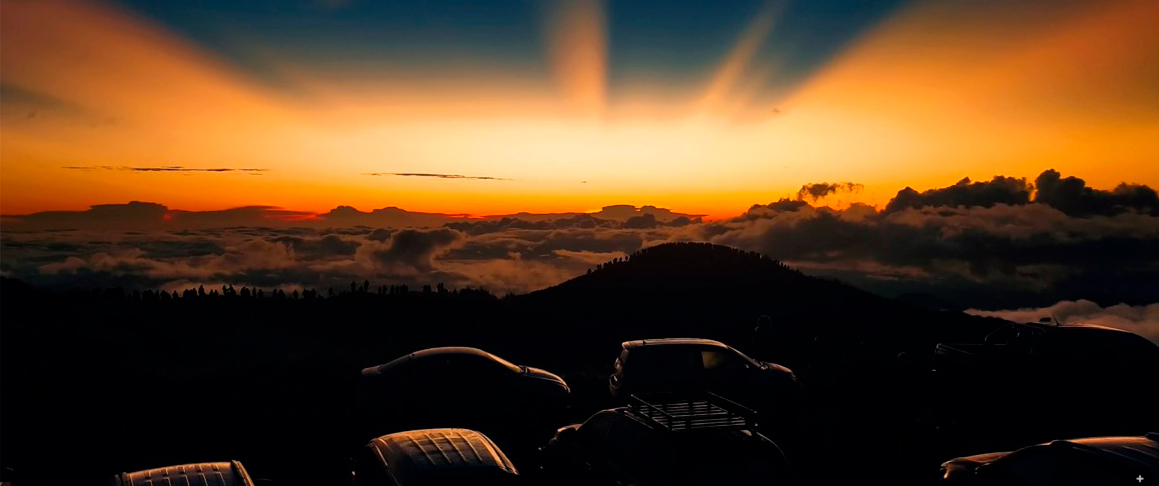
Between June and July, during the winter solstice, the sunrise at Tres Cruces displays a unique optical effect known as the “double sunrise.”
This phenomenon occurs when sunlight reflects off the dense layers of clouds covering the Amazon basin, creating the illusion of two consecutive sunrises. -
The White Ray:
At dawn, the sunlight passes through the humid atmosphere of the rainforest, producing a prismatic effect that bends the light and creates the appearance of three suns on the horizon—known as the “white ray.”
The shifting colors and cloud formations during this event are absolutely mesmerizing. -
Connection to the Manu Biosphere Reserve:
The viewpoint faces the Manu Biosphere Reserve, one of the world’s largest and most biodiverse protected areas. From here, travelers can begin their journey into this extraordinary national park. -
Andean Spirituality:
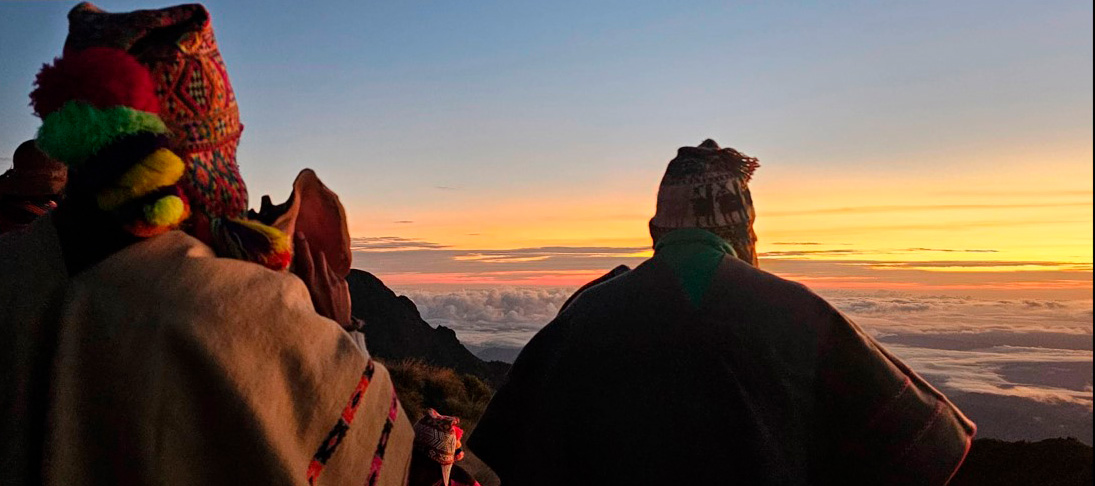
According to local tradition, Tres Cruces is a sacred place where the earth and sky meet. Many communities perform ceremonies and offerings to Pachamama (Mother Earth) here, honoring the harmony between humans and nature.
Recommended Activities
-
Sunrise Observation:
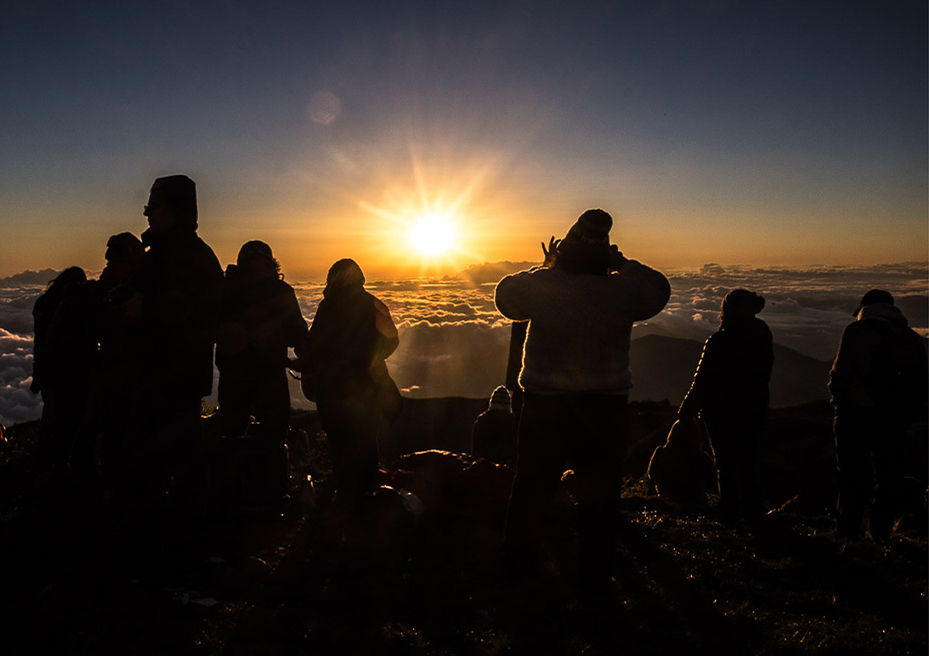
Beginning around 4:00 AM, prepare to witness one of the world’s most extraordinary dawns. The optical play of sunlight and clouds produces dazzling forms and colors, including the famous “double sunrise” and “white ray.” -
Photography:
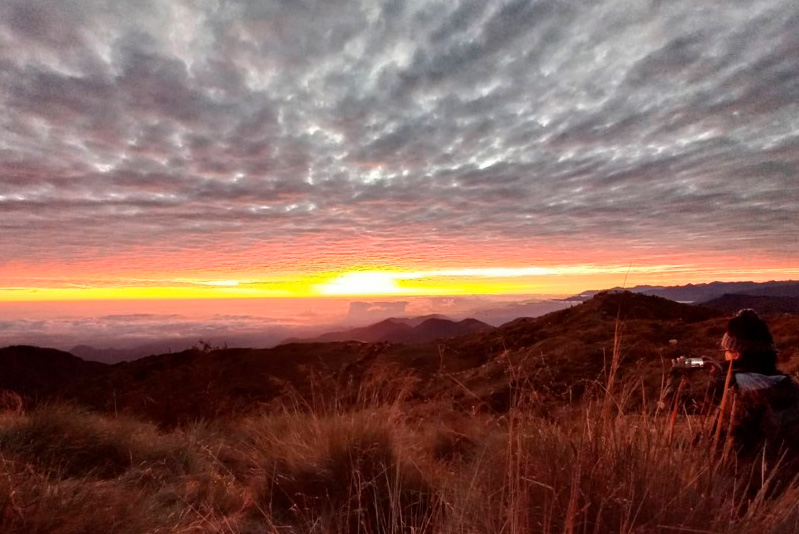
The landscapes of Tres Cruces—with mountains, valleys, and clouds illuminated by the rising sun—offer an ideal setting for capturing truly unique images. -
Exploration of the Manu Biosphere Reserve:
Tres Cruces serves as the perfect gateway to Manu National Park, one of the planet’s richest biodiversity hotspots. Here, visitors can encounter species such as jaguars, anteaters, macaws, and thousands of endemic plants. -
Hiking:
Explore the trails around the viewpoint for additional panoramic views and opportunities to observe local flora and fauna. -
Relaxation in Nature:
Simply sitting at the viewpoint and embracing the peaceful silence of the Andes is a revitalizing experience. The crisp mountain air invites reflection and spiritual connection.
Tips for Your Visit
-
Best Season: The ideal time to visit the Mirador Tres Cruces is during the winter solstice (June and July), when the “double sunrise” and “white ray” phenomena occur.
-
Arrival Time: Arrive at the viewpoint before 4:00 AM to secure a good spot to watch the sunrise.
-
Altitude: Although the altitude is moderate (3,600 m / 11,800 ft), it’s important to acclimate properly to avoid altitude sickness. Stay hydrated and avoid strenuous activity at first.
-
Proper Gear: Wear warm clothing, sturdy walking shoes, and sun protection. Bring water, light snacks, and a small first aid kit.
-
Respect the Environment: Help preserve the site’s natural beauty by avoiding litter and following conservation guidelines.
-
Local Guide: Hiring a local guide is highly recommended, as they can explain the science behind the sunrise phenomenon, as well as the geology, flora, fauna, and culture of the region.
Why Visit the Mirador Tres Cruces in Paucartambo
The Mirador Tres Cruces in Paucartambo is far more than a scenic viewpoint—it is a place that connects visitors with the majesty of the Andean mountains and the gateway to the Amazon rainforest. Its panoramic vistas, rare astronomical phenomena, and tranquil atmosphere make it one of southern Peru’s most remarkable destinations.
In addition, its proximity to other regional attractions—such as the Manu National Park, the Huaypo lagoons, and the colonial town of Paucartambo—makes it part of a complete and unforgettable experience in the Cusco region. Whether you are passionate about photography, wildlife observation, or simply wish to enjoy a serene morning in nature, this destination offers something for everyone.
Exploring the Mirador Tres Cruces in Paucartambo is an opportunity to discover a lesser-known yet equally mesmerizing side of Peru—a country that never ceases to amaze with its natural splendor and cultural richness.







Destinos Destacados
-
AUSANGATE – Cusco
The Ausangate Lakes are a group of crystal-clea... -
Bosque seco del Marañon
El bosque seco del Marañón es un fascinante lug... -
Cañón del Colca
El majestuoso Cañón del Colca, en Arequi...

© 2026 All rights reserved. Naturatourism.com
Some images used on this website come from official and private sources, including PROMPERÚ, peru.travel, Wikimedia Commons, and local tourism agencies, for the sole purpose of tourism promotion and destination awareness.