


The Three Canyons of Suykutambo: A Natural Spectacle in Cusco
The Three Canyons of Suykutambo are one of the best-kept natural treasures of the Cusco region, a place that combines majestic landscapes, winding rivers, and rock formations that seem sculpted by time. Located in the district of Pitumarca, in the province of Canas, this destination is ideal for those who want to explore nature in its purest state and enjoy breathtaking panoramic views.
Location and Access
The Three Canyons of Suykutambo are located approximately 120 kilometers southeast of the city of Cusco, in a mountainous area of great beauty. To reach them, visitors must travel rural roads that pass through picturesque villages and Andean landscapes. Access to the canyon area may require short or long hikes, depending on the exact point to be explored.
How to Get There
-
From Cusco, take the road south, passing through towns such as Sicuani and Pitumarca.
-
From Pitumarca, the route to the canyons can be done by vehicle up to a certain point, followed by a hike along trails that offer spectacular views.
-
The total journey from Cusco can take between 3 and 4 hours, depending on road conditions.
Features of the Three Canyons
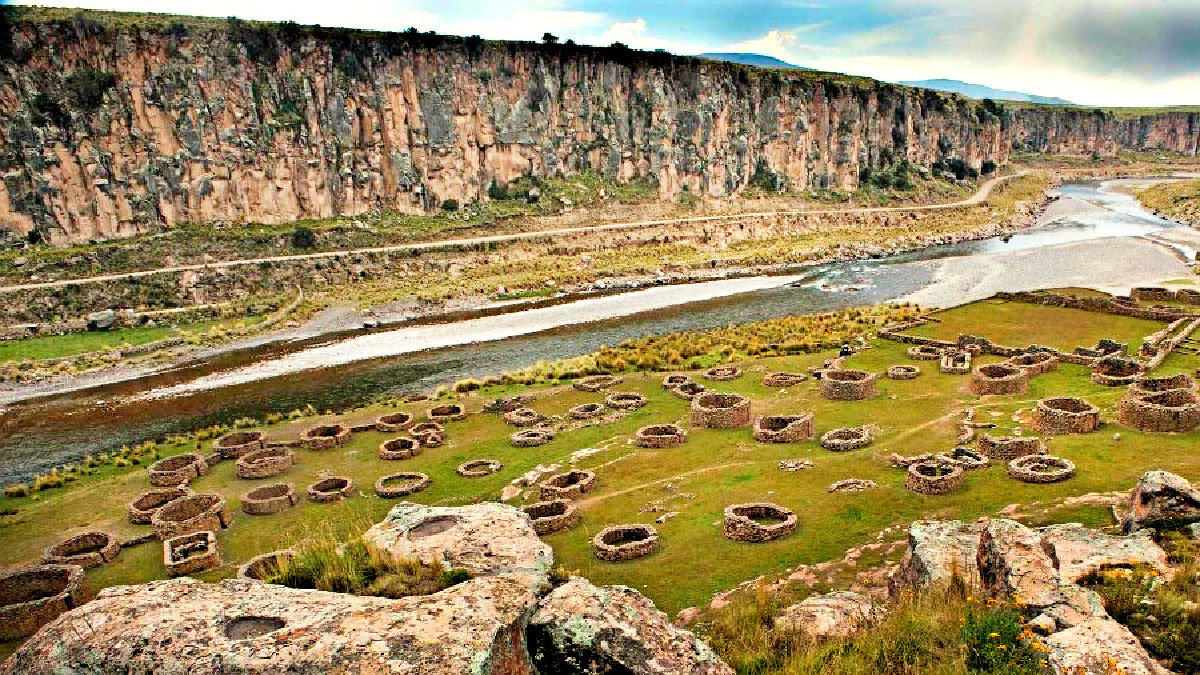
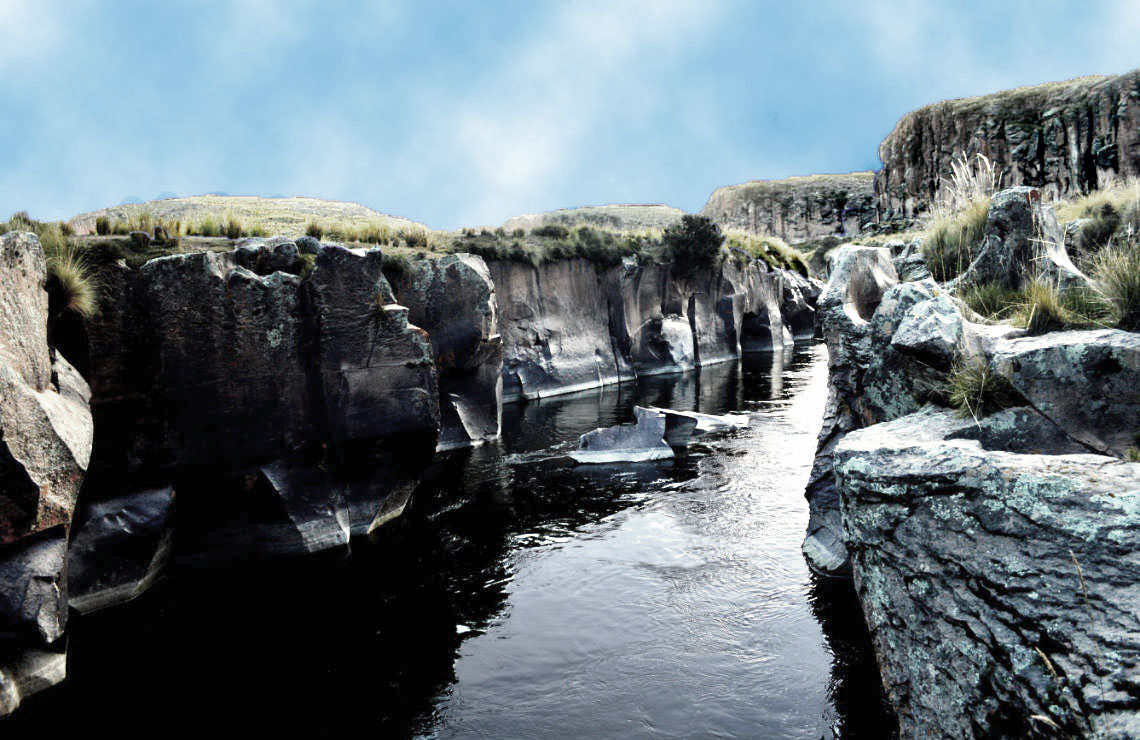
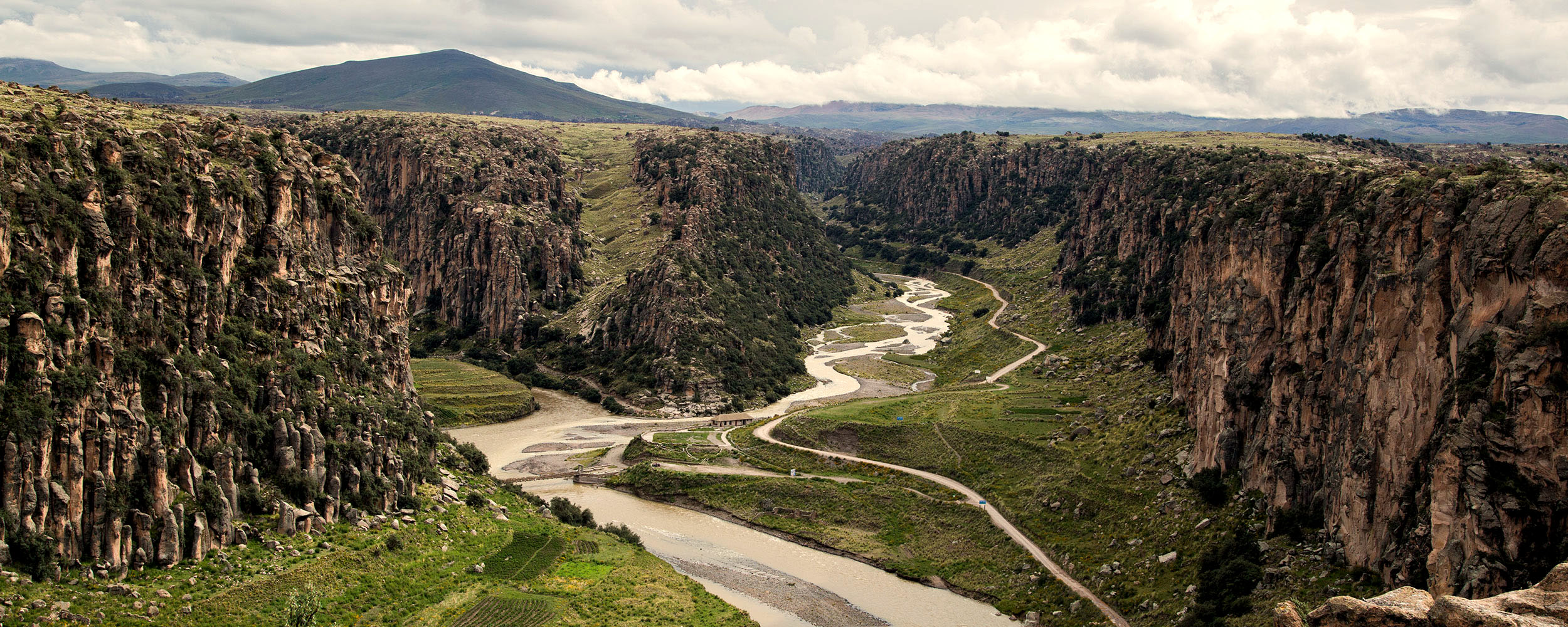
The Three Canyons of Suykutambo are a system of deep canyons formed by the passage of three main rivers: the Suykutambo River, the Pitumarca River, and the Japuraque River. These rivers have eroded the mountains for thousands of years, creating impressive geological formations and landscapes that look like a painting.
Main Attractions
-
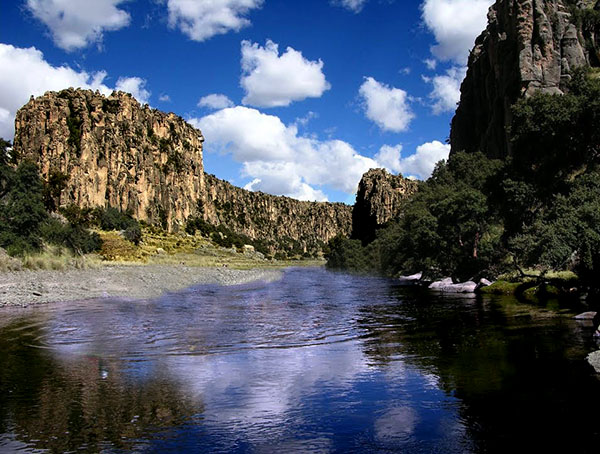
Rock Formations: The canyon walls are made up of layers of sedimentary rock in different colors, creating a striking visual contrast that ranges from deep red to light beige, depending on the mineral composition of each layer.
-
Winding Rivers: The three rivers running through the canyons are the heart of this ecosystem. Their crystal-clear waters flow between the rock formations, forming small waterfalls and natural pools ideal for swimming.
-
Natural Viewpoints: Along the route, there are several elevated points where the canyons can be observed in all their magnitude, perfect for photography and contemplation.
-
Flora and Fauna: The area around the canyons is covered with typical Andean vegetation, including grasslands, shrubs, and some species of cactus. It is also possible to spot birds such as condors, hawks, and other species adapted to high altitudes.
Recommended Activities
-
Hiking: Exploring the trails around the canyons is an unforgettable experience, from viewpoints to areas near the rivers.
-
Photography: The combination of deep canyons, crystal-clear rivers, and rock formations makes this place a paradise for photographers, especially at sunrise and sunset.
-
Swimming in Natural Pools: In some areas, the rivers form natural pools of fresh, clear water, perfect for cooling off after a hike.
-
Interaction with Local Communities: Nearby communities offer opportunities to learn about local traditions and the relationship of residents with nature; some families organize guided visits or sell handmade crafts.
Tips for Your Visit
-
Best Season: From May to September, during the dry season, when the weather is more stable and roads are more accessible.
-
Proper Equipment: Comfortable clothing, sturdy walking shoes, sun protection, water, and light snacks.
-
Respect the Environment: Help preserve the natural beauty by avoiding leaving waste and following conservation rules.
-
Local Guide: Hiring a local guide provides detailed information about the geology, flora, fauna, and culture of the region.
Why Visit the Three Canyons of Suykutambo
The Three Canyons of Suykutambo offer a perfect combination of adventure, nature, and culture. Their impressive landscapes, unique geological formations, and connection with Andean life make this place an unforgettable experience. Whether you are interested in hiking, photography, or simply disconnecting from daily routine, this destination has something for everyone.
Exploring the Three Canyons of Suykutambo is an opportunity to discover a lesser-known but equally fascinating side of Cusco, a region that never ceases to amaze with its natural and cultural richness.






Destinos Destacados
-
AUSANGATE – Cusco
The Ausangate Lakes are a group of crystal-clea... -
Bosque seco del Marañon
El bosque seco del Marañón es un fascinante lug... -

Cañón del Colca
El majestuoso Cañón del Colca, en Arequi...

© 2026 All rights reserved. Naturatourism.com
Some images used on this website come from official and private sources, including PROMPERÚ, peru.travel, Wikimedia Commons, and local tourism agencies, for the sole purpose of tourism promotion and destination awareness.