


Sacsayhuamán Fortress
The Masterpiece of the Incas
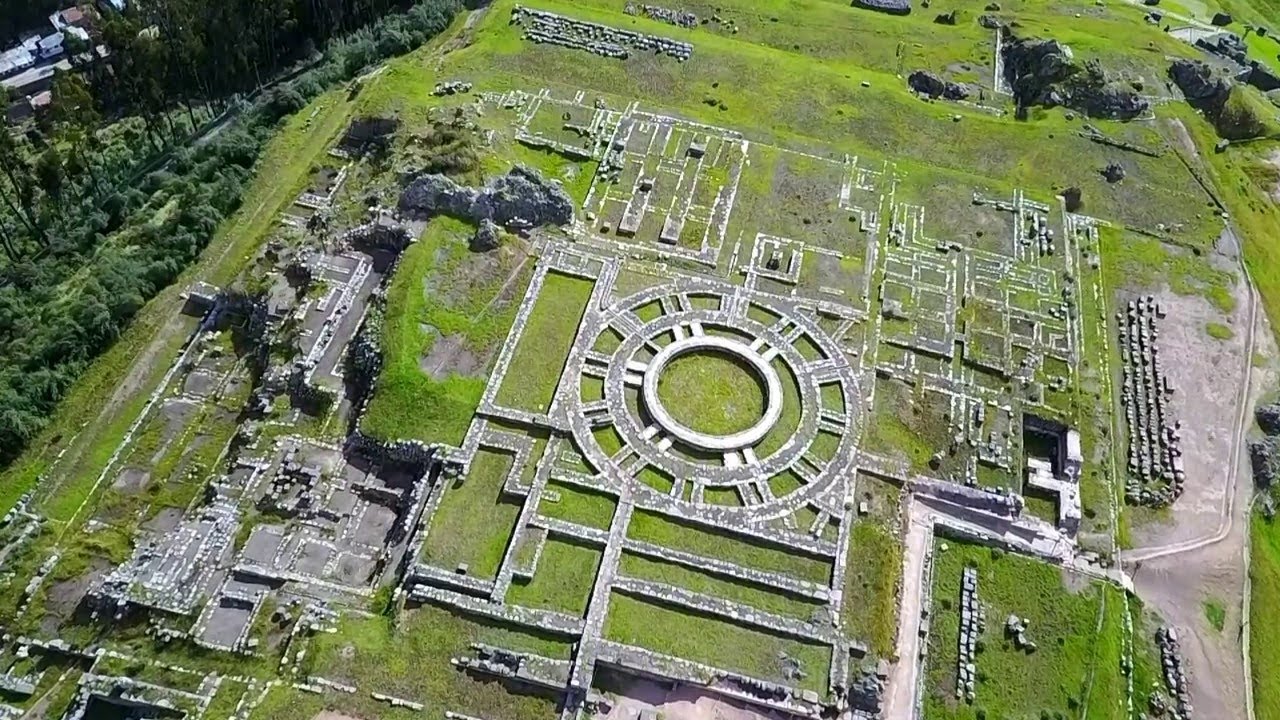
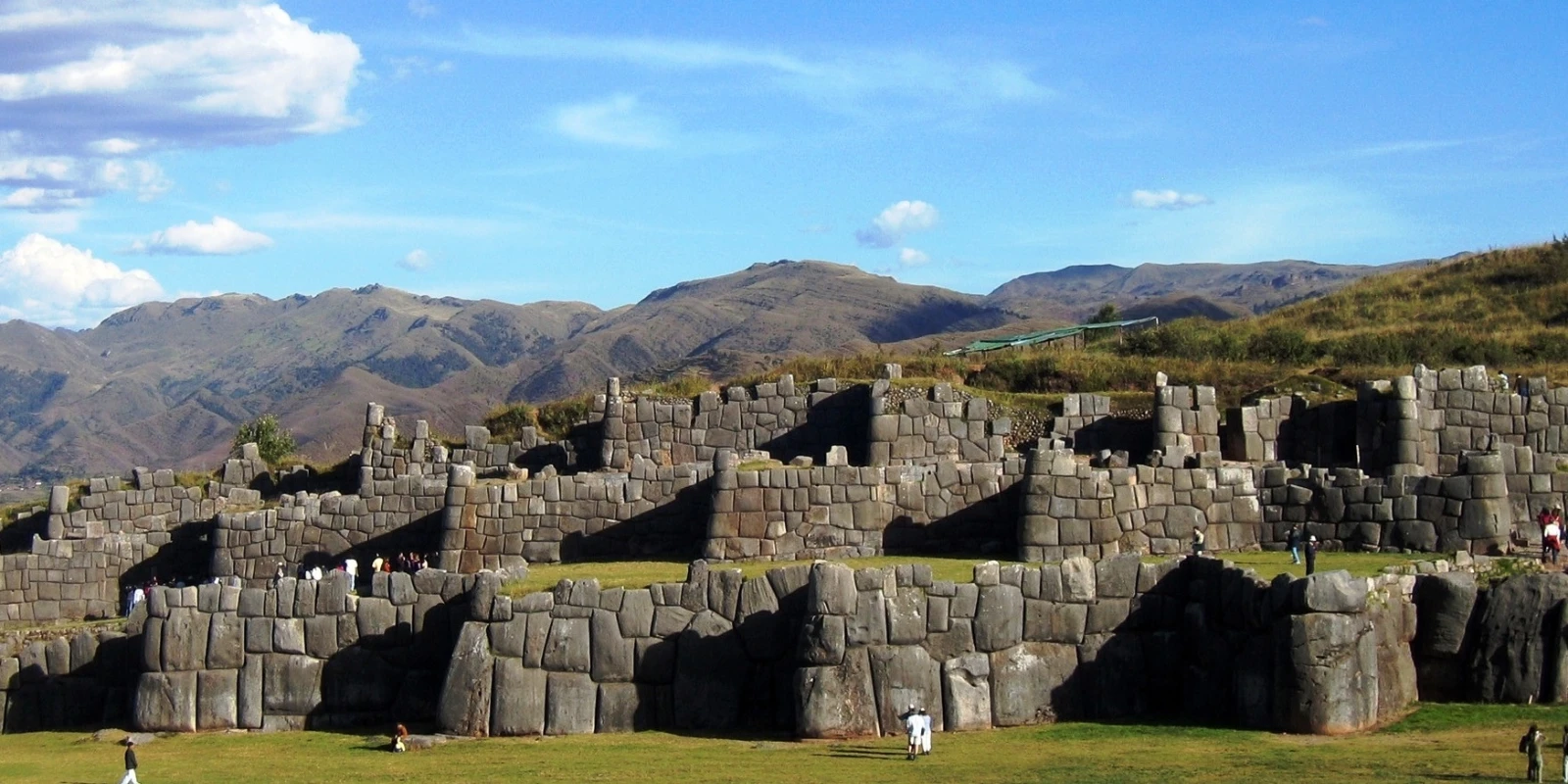
The Sacsayhuamán Fortress is a monumental archaeological complex located on the outskirts of the city of Cusco, about 2 kilometers (1.2 miles) north of the historic center. Built by the Inca Empire, this fortress is considered a masterpiece of pre-Columbian engineering due to its architectural design, the enormous stone blocks fitted together with astonishing precision, and its strategic position atop a hill. Its name comes from the Quechua words “Sacsay Huaman”, meaning “satisfied falcon,” symbolizing the spiritual connection between this sacred place and the Andean world.
Sacsayhuamán was not only a military fortress but also a ceremonial and administrative center of great importance to the Incas. Today, it is one of the most visited archaeological sites in the region and was declared a UNESCO World Heritage Site in 1983.
Location and Access
The Sacsayhuamán Fortress is located in the upper part of the city of Cusco, in the region of the same name. Visitors can reach it via paved roads or walking trails that offer spectacular panoramic views of the city.
How to Get There
-
From Cusco’s historic center, you can take a taxi (approximately 15 minutes) or walk (about 40 minutes) to the main entrance of Sacsayhuamán.
-
You can also join an organized guided tour from Cusco, which includes transportation and expert explanations about the archaeological site.
-
For a more active experience, hike up through the San Cristóbal neighborhood or along the Inca trail to Sacsayhuamán, enjoying beautiful views of the valley along the way.
Features of Sacsayhuamán
-
Remarkable Engineering:
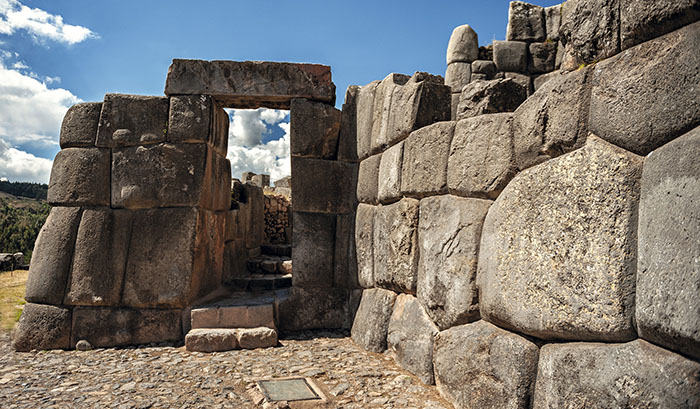
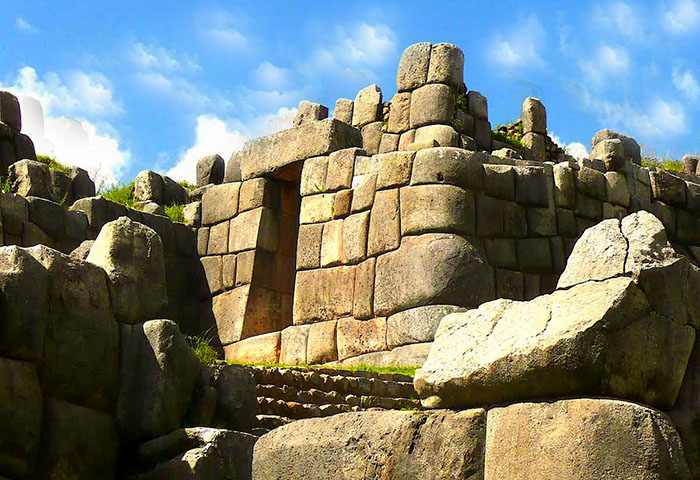
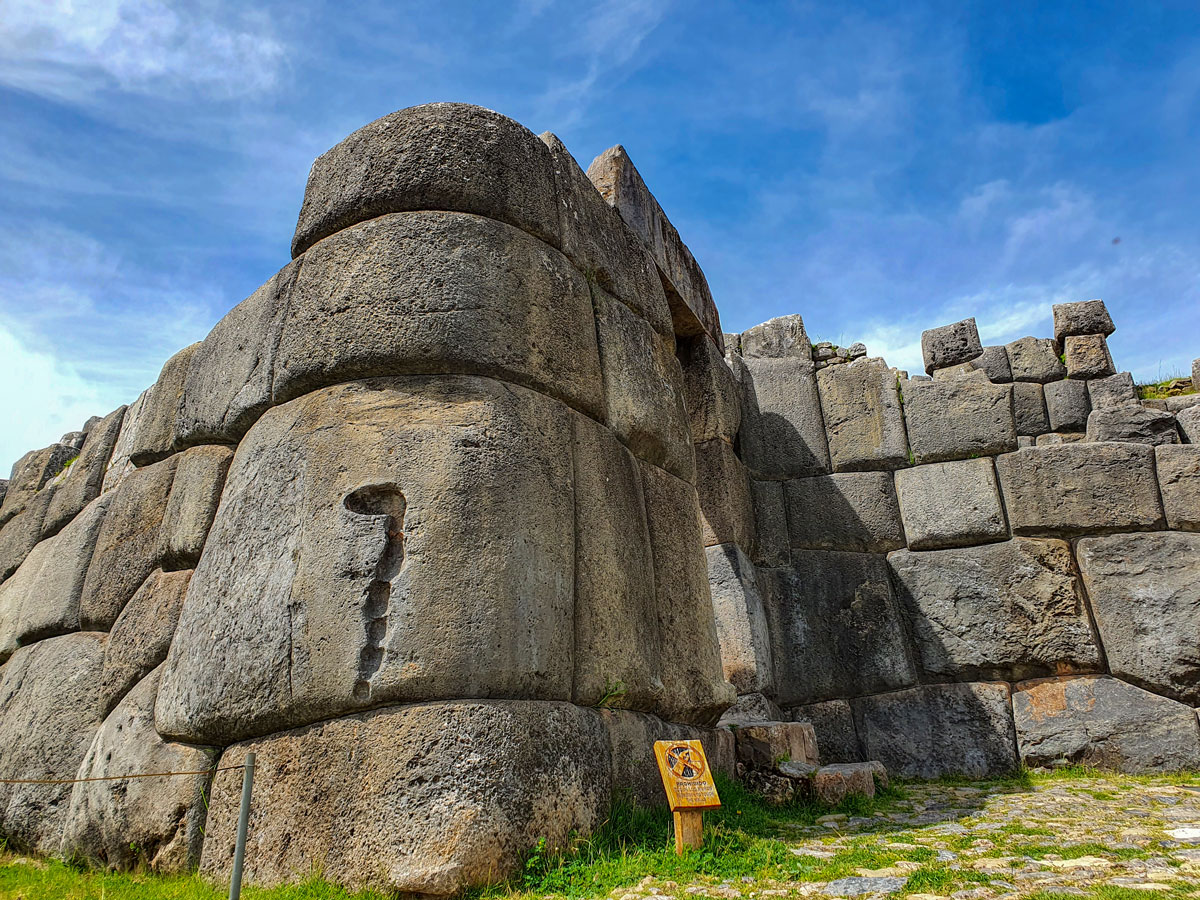
The walls of Sacsayhuamán are built with enormous stone blocks, some weighing more than 100 tons. These stones were precisely carved and fitted together without mortar, locking perfectly into place.
The construction techniques remain a mystery to modern archaeologists, as it is still unknown how the Incas managed to move and position such massive stones. -
Strategic Location:
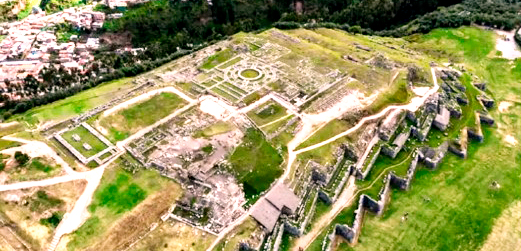
The fortress is located on a hill overlooking the city of Cusco, offering a commanding view of the entire valley. This strategic position allowed the Incas to detect and defend against any external threats, protecting the empire’s capital. -
Architectural Design:
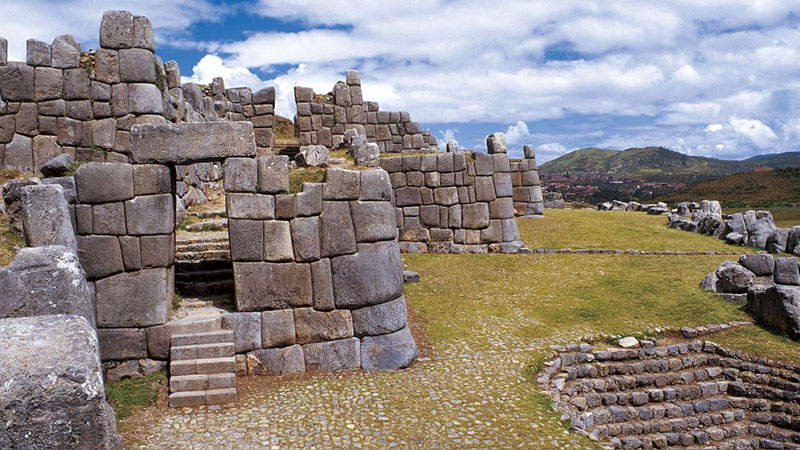
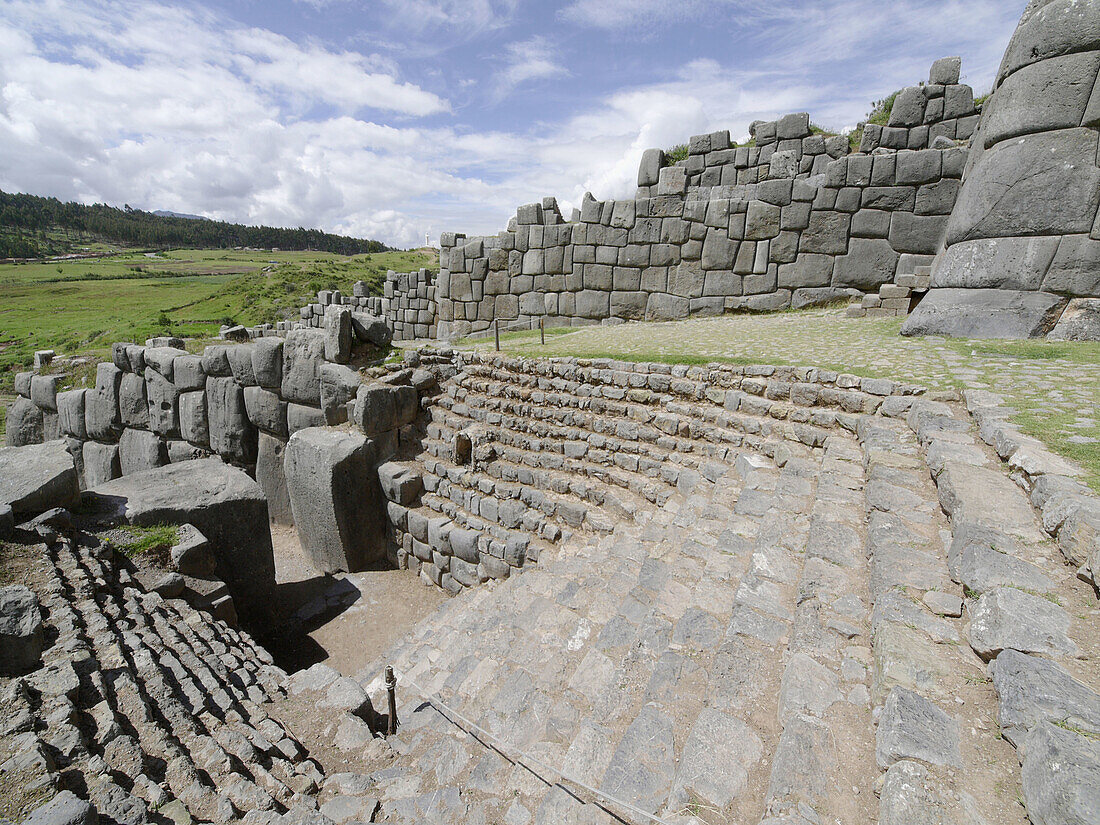
The complex has a zigzag layout, composed of three massive terraced walls that represent the teeth of a feline—an animal sacred in Andean cosmology.
The terraces are built with finely cut stones forming impressive walls that symbolize the strength and power of the Inca Empire. -
Ceremonial Spaces:
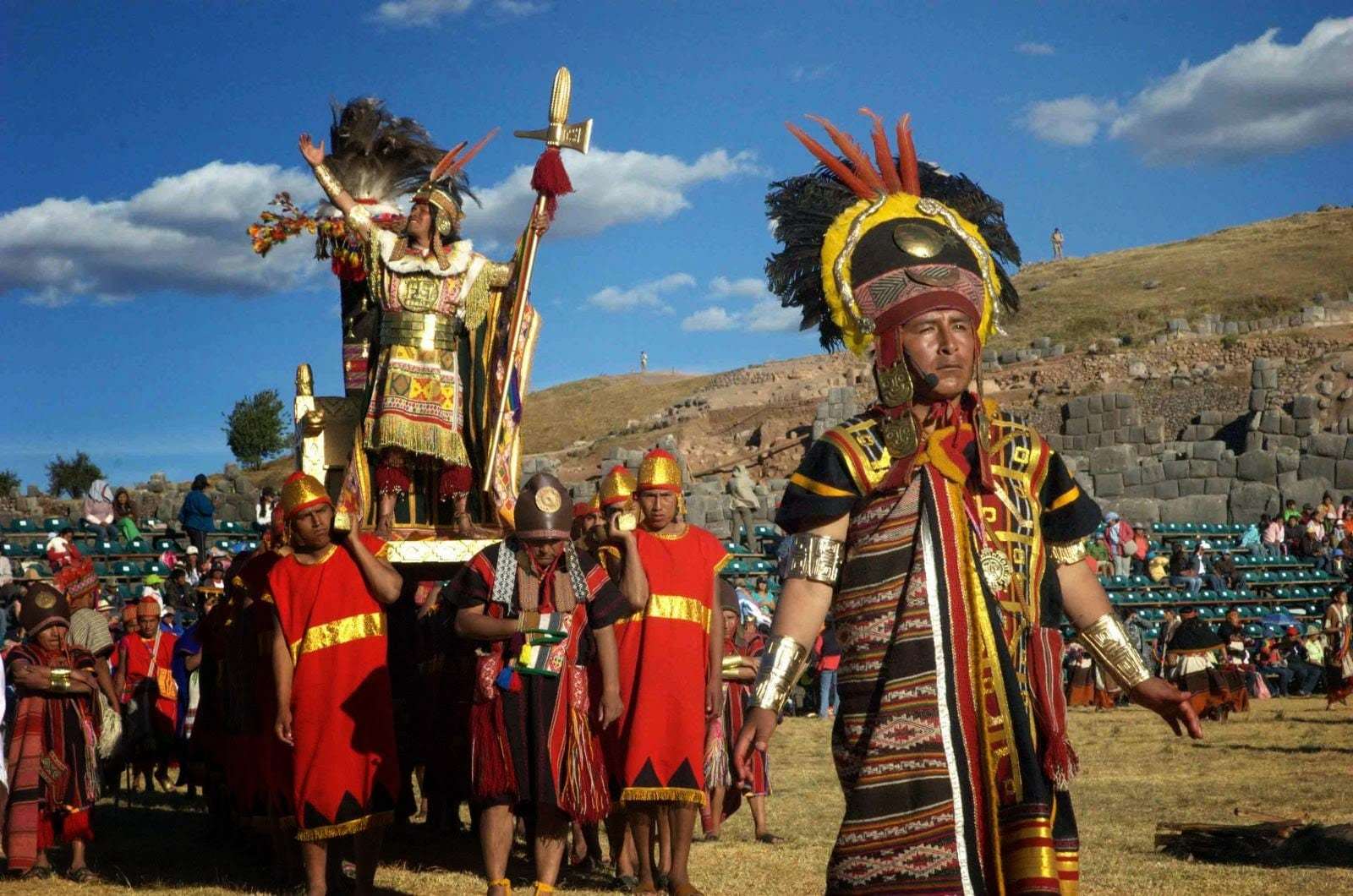
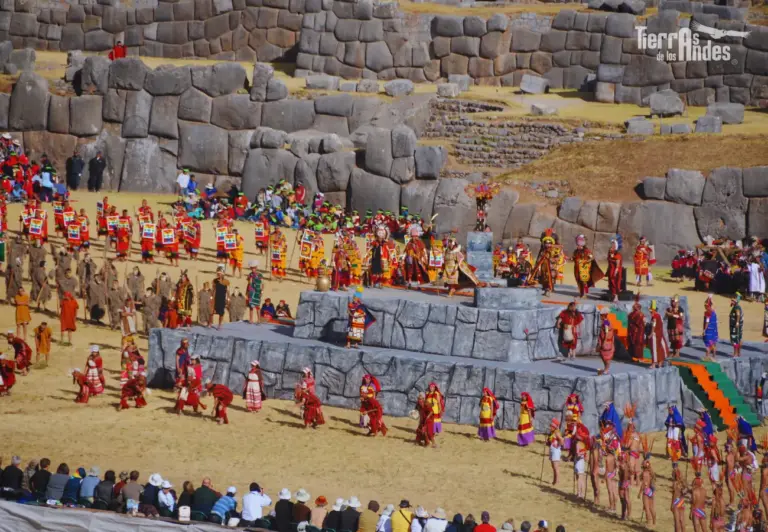
Beyond its defensive purpose, Sacsayhuamán served as an important ceremonial site where rituals and festivals, such as Inti Raymi (the Festival of the Sun), were held. This celebration continues to take place here every June. -
Spiritual Connection:
According to Andean cosmology, Sacsayhuamán represents the head of the puma, the sacred animal symbolizing power and energy. The body of the puma corresponds to the city of Cusco, while other nearby structures complete this architectural metaphor.
Recommended Activities
-
Exploration of the Archaeological Site:
Walk along the terraces and observe up close the enormous stone blocks perfectly fitted together. Admire the precision and skill of the Inca builders. -
Photography:
The landscapes of Sacsayhuamán—with its massive walls and sweeping views of Cusco—are perfect for stunning photographs. Sunrise and sunset offer particularly spectacular lighting. -
Participation in the Inti Raymi Festival:
If you visit Cusco in June, don’t miss the Inti Raymi celebration, a recreation of the ancient Festival of the Sun held at Sacsayhuamán. It’s a unique cultural experience blending music, dance, and ancestral traditions. -
Observation of Local Flora and Fauna:
Explore the surrounding area to spot native species such as Andean birds, wildflowers, and medicinal plants. -
Relaxation in Nature:
Simply sitting on the terraces and enjoying the tranquility of the site is a revitalizing experience. The fresh Andean air invites reflection and connection with nature. -
Cultural Learning:
Hire a local guide to learn about the history, architecture, and spiritual significance of Sacsayhuamán. This will enrich your visit and deepen your understanding of the Inca Empire’s grandeur.
Tips for Your Visit
-
Best Season: The best time to visit Sacsayhuamán is during the dry season (May to September), when the weather is more stable and days are sunny.
-
Altitude: Sacsayhuamán sits at an altitude of about 3,700 meters (12,140 feet) above sea level, so it’s important to acclimate properly to avoid altitude sickness. Drink plenty of water and avoid strenuous activity at first.
-
Proper Gear: Wear warm clothing, sturdy walking shoes, and sun protection. It’s also recommended to bring water, light snacks, and a basic first aid kit.
-
Respect the Environment: Help preserve the site’s natural and cultural beauty by avoiding litter and following conservation guidelines.
-
Local Guide: Hiring a local guide is highly recommended to gain detailed insights into the site’s history, architecture, and cultural significance.
Why Visit Sacsayhuamán
The Sacsayhuamán Fortress is much more than an archaeological site—it is a place that connects visitors with the grandeur of the Inca Empire and its advanced engineering. Its massive walls, breathtaking landscapes, and serene atmosphere make it one of the most remarkable destinations in southern Peru.
Additionally, its proximity to other attractions such as Qorikancha, Tambomachay, Pisac, and Machu Picchu makes it part of a complete cultural experience in Cusco. Whether you’re drawn to history, photography, or simply wish to enjoy a peaceful day surrounded by nature, this site has something for everyone.
Exploring Sacsayhuamán is an opportunity to discover a fascinating side of Inca culture and Peru’s rich historical heritage—a country that never ceases to amaze with its cultural and natural treasures.

Destinos Destacados
-
AUSANGATE – Cusco
The Ausangate Lakes are a group of crystal-clea... -
Bosque seco del Marañon
El bosque seco del Marañón es un fascinante lug... -
Cañón del Colca
El majestuoso Cañón del Colca, en Arequi...

© 2026 All rights reserved. Naturatourism.com
Some images used on this website come from official and private sources, including PROMPERÚ, peru.travel, Wikimedia Commons, and local tourism agencies, for the sole purpose of tourism promotion and destination awareness.