


Nazca Lines
Nazca Lines – History Drawn in the Desert
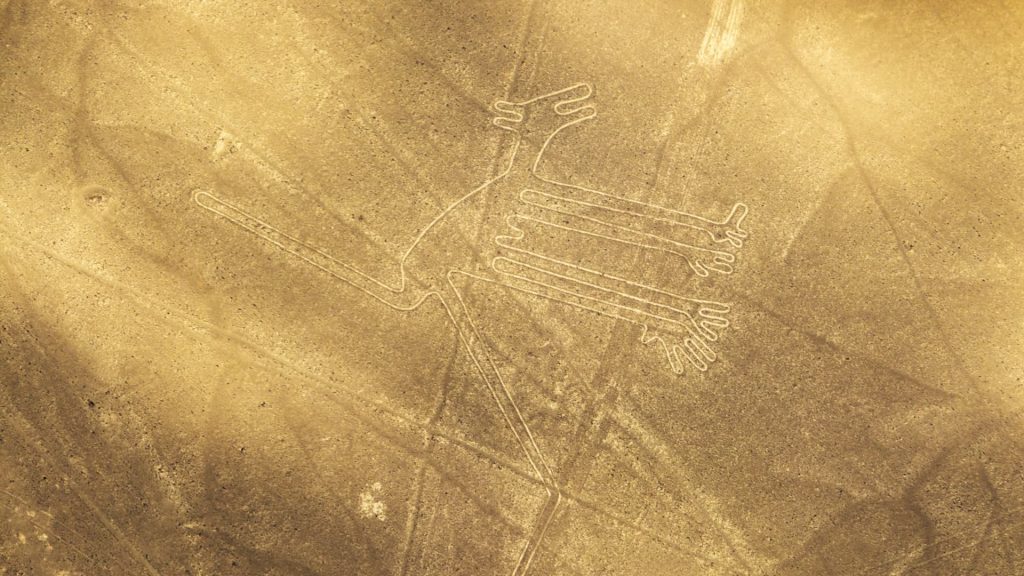
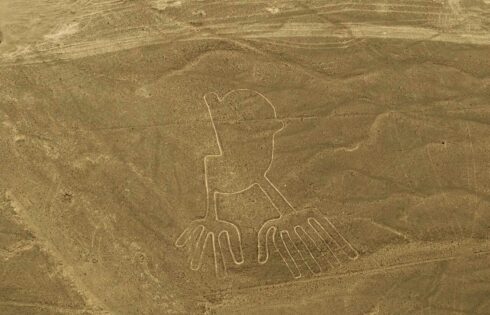
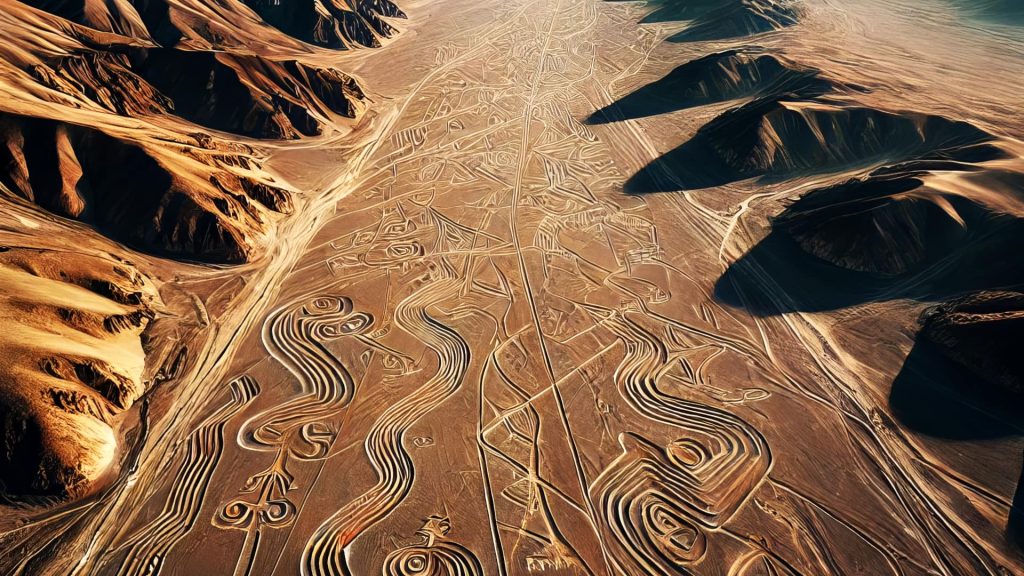
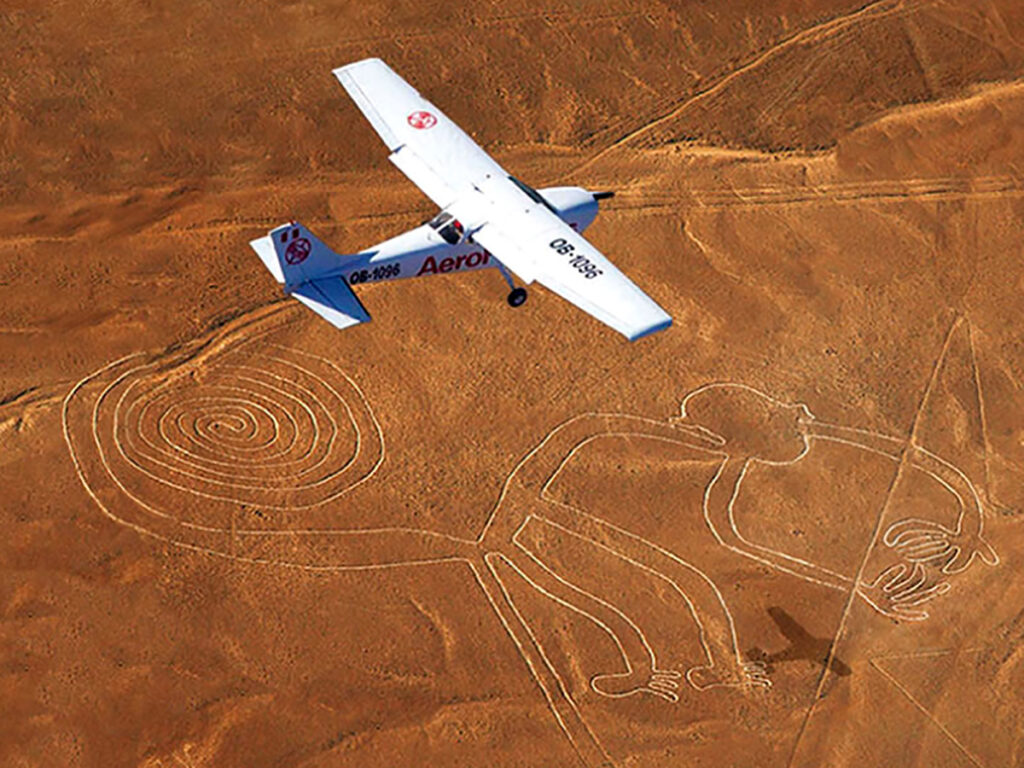
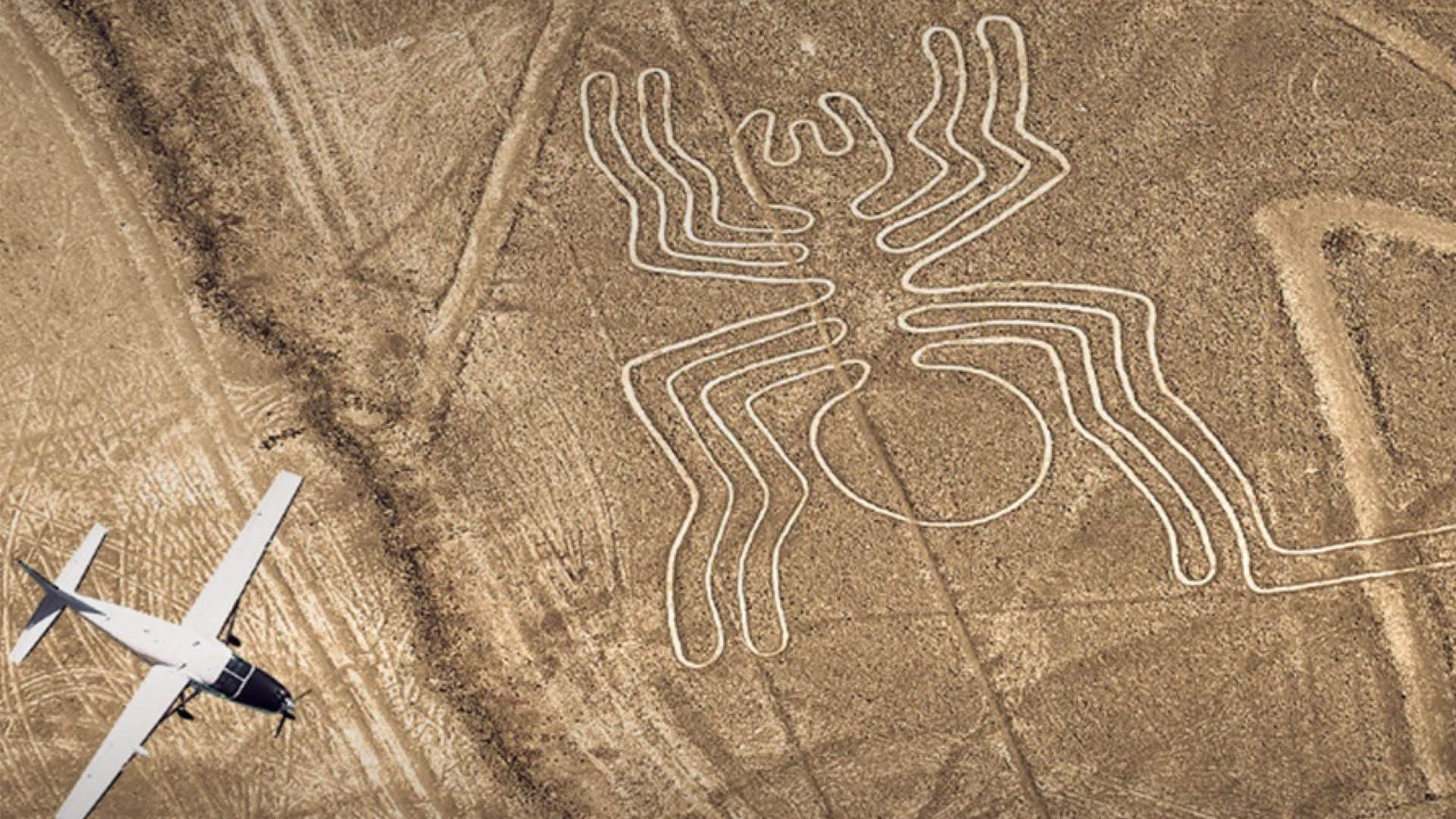
Fly over a mystery that has defied time for millennia. The Nazca Lines, etched more than 2,000 years ago in the arid coastal desert of Peru, are a masterpiece of ancient civilizations that continues to puzzle the world. Visible only from the air, these geometric figures, animals, and abstract forms come to life when viewed from above. Beyond their enigma, this site invites visitors to explore extreme landscapes, discover the ecological richness of Peru’s coast, and connect with the history of cultures that left their mark on the earth. If you love nature, history, and unique experiences, you cannot miss this archaeological and natural wonder.
Location and Access
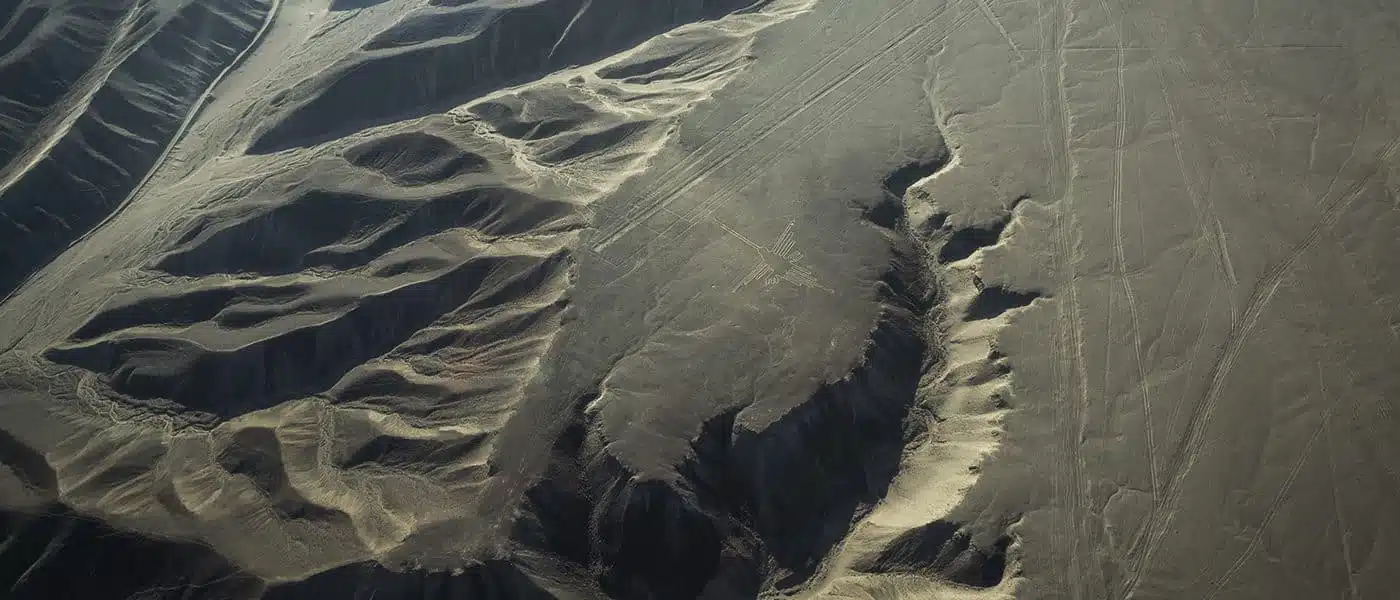
The Nazca Lines are located in the Nazca Desert, in the Ica region, in southern Peru. This enigmatic archaeological site extends over more than 500 square kilometers of desert surface.
Due to their location and scale, the lines cannot be appreciated from the ground; the main access is through tourist flights departing from nearby cities such as Nazca or Pisco.
How to Get There
From Lima:
-
By car: Approximately 4 hours via the Pan-American Highway South.
-
By bus: Several companies connect Lima with Nazca daily (6 to 8 hours).
-
By plane: Some agencies offer direct flights from Lima or aerial tours from Nazca.
Recommended Departure Points:
-
Nazca City: The main departure point for flights over the lines.
-
Pisco: Another common option for combined aerial tours with the Ballestas Islands.
Features of the Site
-
Altitude: Around 500 meters above sea level
-
Area: Over 500 km²
-
Climate: Arid and stable, typical of the Peruvian coastal desert
-
Visibility: Only visible from the air due to their large-scale design
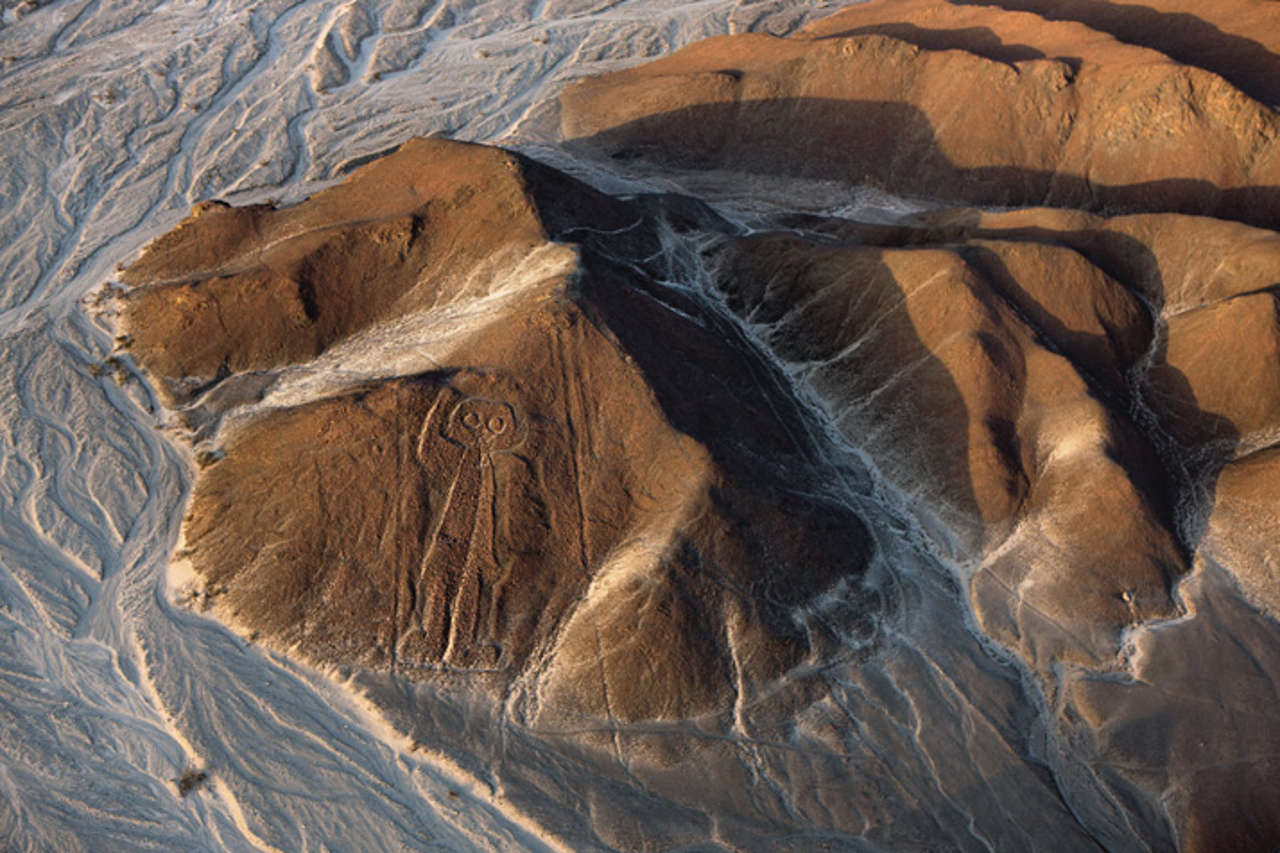
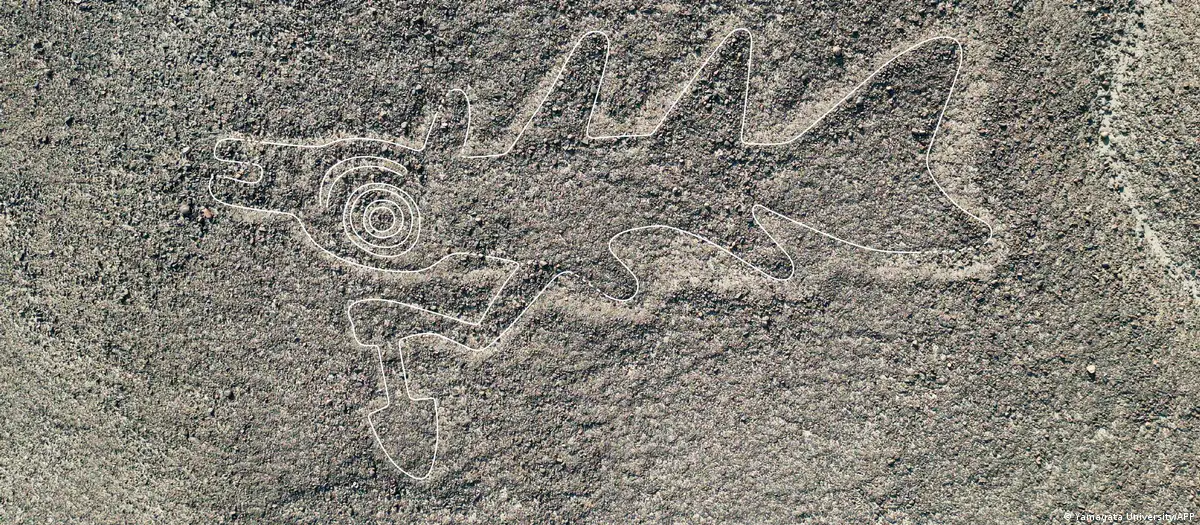
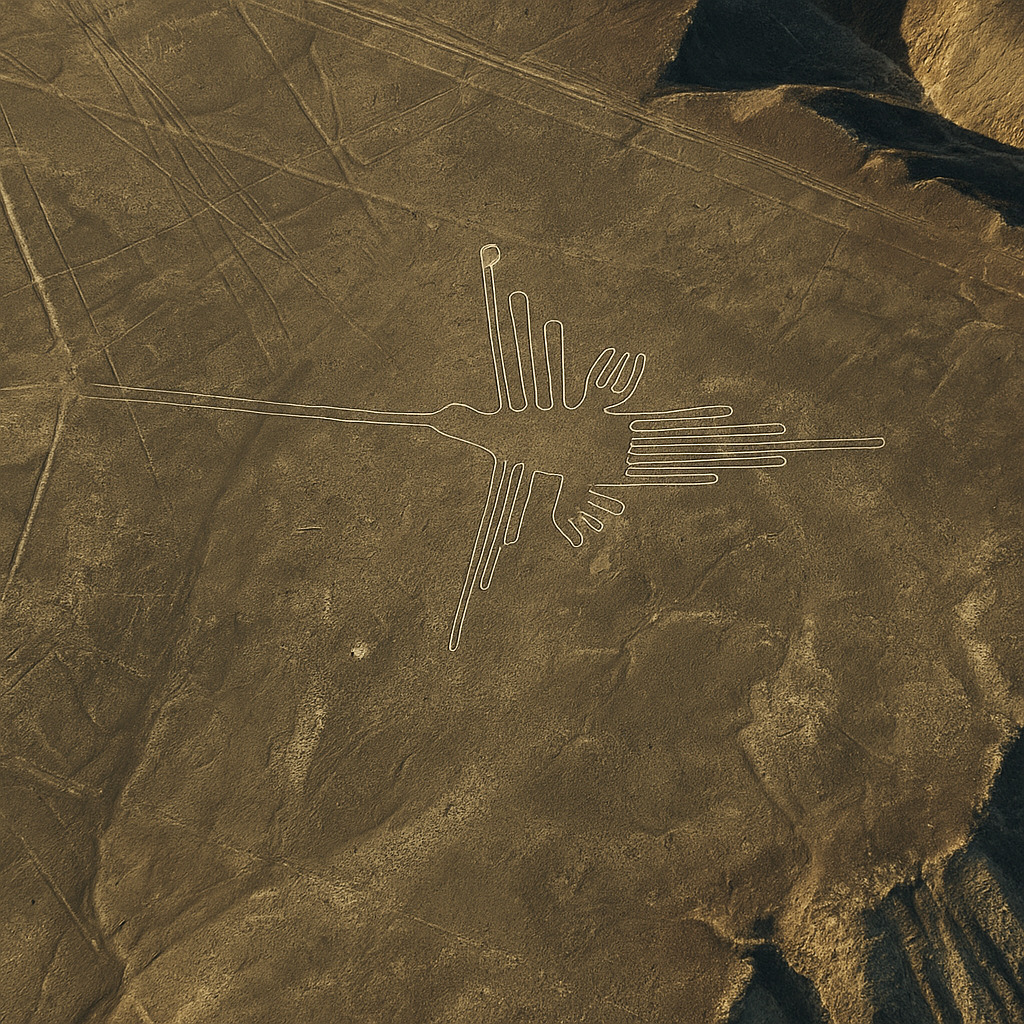
The Nazca Lines are a series of geometric, linear, and zoomorphic figures drawn on the desert floor between 200 B.C. and 600 A.D., attributed first to the Paracas culture and later developed by the Nazca civilization.
They are famous for their size, precision, and mystery, and were declared a UNESCO World Heritage Site in 1994.
Fauna
Although located in a desert environment, the area hosts species adapted to arid conditions:
-
Coastal fox
-
Snakes and lizards
-
Migratory birds near the coastal zones
-
Invertebrates resistant to high temperatures
Flora
The vegetation is scarce but remarkably resilient to the extreme climate:
-
Cacti
-
Palo verde trees
-
Cardones (columnar cacti)
-
Lichens
-
Halophytic plants (adapted to saline soils)
Recommended Activities
-
Flight Over the Nazca Lines
The best way to appreciate the figures is by taking a 30- to 45-minute tourist flight.
Choose certified services with good safety standards and optimal flight schedules. -
Cruz del Cóndor (Pan de Azúcar) Viewpoint
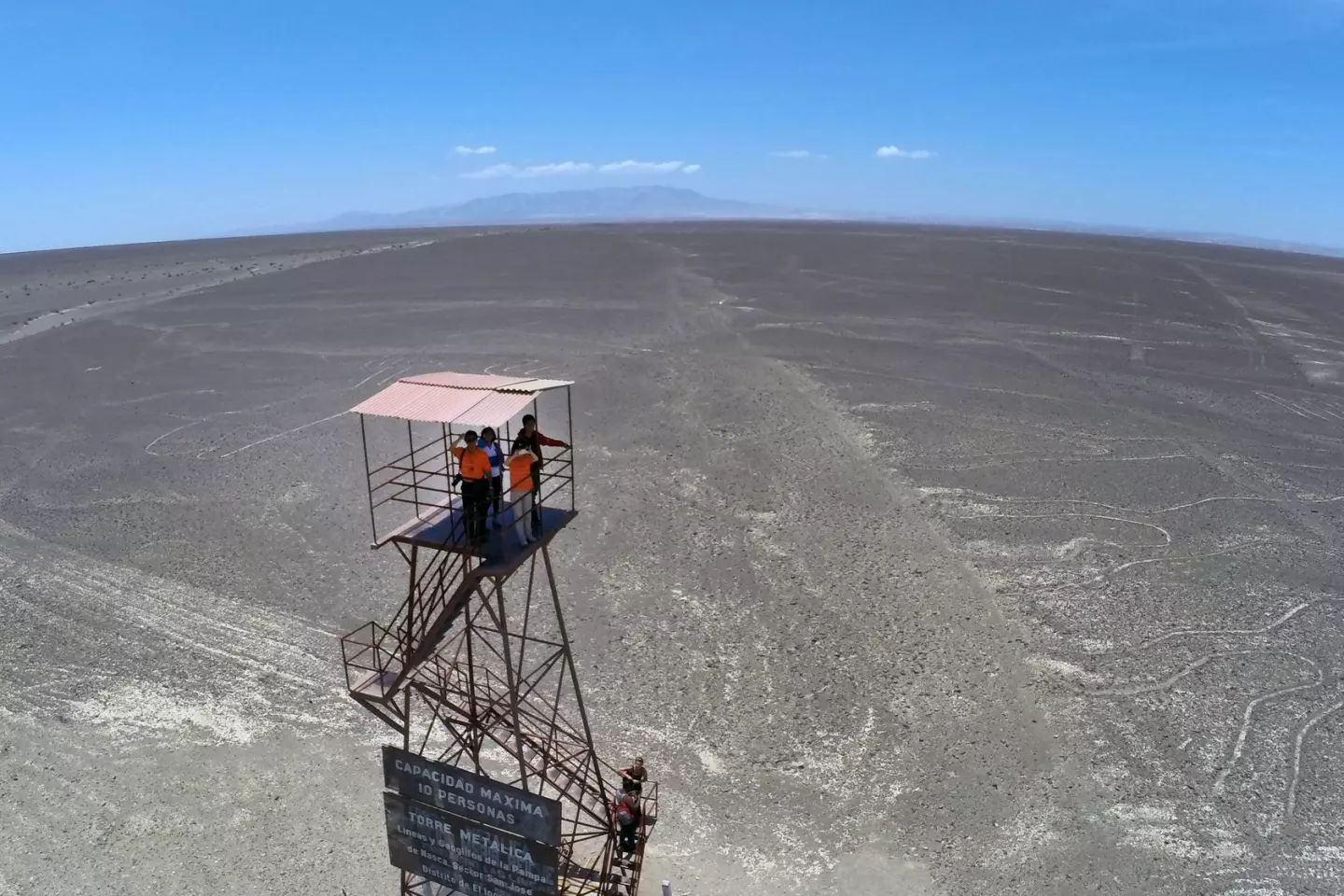
Located near the Pan-American Highway, this tower offers a partial view of some lines for those unable to fly. -
Combined Tour with Ballestas Islands and Paracas
Day trips that include a Nazca flight, a visit to the Ballestas Islands, and a tour of the Paracas National Reserve. -
Antonini Museum Visit
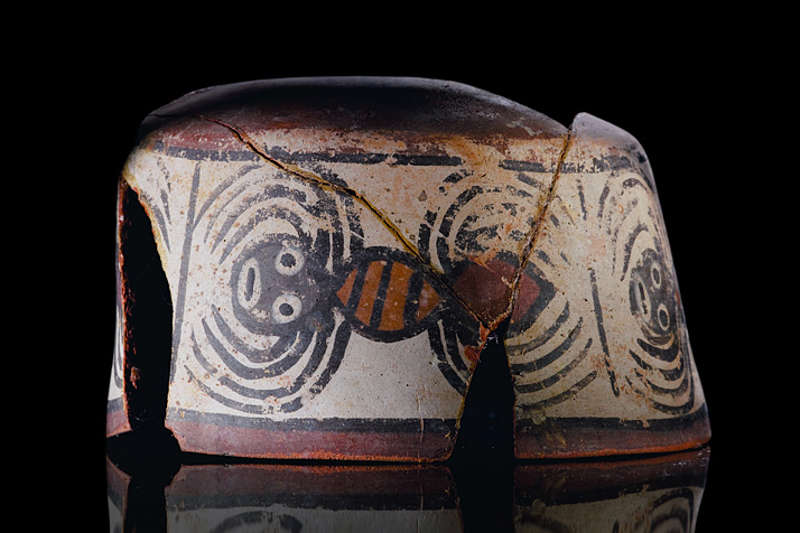
In Nazca, the Antonini Museum displays archaeological finds and theories about the origin and meaning of the lines.
Ecological and Cultural Importance
The Nazca Lines are a masterpiece of pre-Hispanic engineering and a unique testimony to how ancient civilizations interacted with their environment. Preserving them is essential not only for their historical value but also due to their ecological fragility.
The extremely dry climate has allowed them to remain intact for centuries, but today they face threats such as climate change, urban growth, and irresponsible tourism.
Tips for Your Visit
-
Book your flights or tours in advance.
-
Avoid cloudy days for better visibility.
-
Bring sunscreen and water (the climate is very dry).
-
Choose responsible and certified operators.
-
Follow access rules and avoid disturbing the natural surroundings.
-
Combine your visit with nearby attractions like the Ballestas Islands or Paracas.
Why Visit This Place
-
One of the greatest mysteries in world archaeology.
-
A unique experience viewing the figures from the air.
-
A journey into the heart of Peru’s coastal desert.
-
Discover the theories behind their creation — religious, astronomical, or ritual.
-
Combine it with marine wildlife observation at the Ballestas Islands.
-
Perfect for lovers of history, adventure, and photography.





Destinos Destacados
-
AUSANGATE – Cusco
The Ausangate Lakes are a group of crystal-clea... -
Bosque seco del Marañon
El bosque seco del Marañón es un fascinante lug... -

Cañón del Colca
El majestuoso Cañón del Colca, en Arequi...

© 2026 All rights reserved. Naturatourism.com
Some images used on this website come from official and private sources, including PROMPERÚ, peru.travel, Wikimedia Commons, and local tourism agencies, for the sole purpose of tourism promotion and destination awareness.