


Machu Picchu
The Jewel of the Inca Empire
Machu Picchu, which means “Old Mountain” in Quechua, is an ancient Inca city located in the Cusco region, high in the Peruvian Andes at 2,430 meters (7,970 feet) above sea level. Discovered in 1911 by American explorer Hiram Bingham, this architectural marvel was declared a UNESCO World Heritage Site in 1983 and chosen as one of the New Seven Wonders of the Modern World in 2007.
Surrounded by towering mountains, mystical mist, and lush vegetation, Machu Picchu stands as a living testament to the grandeur of the Inca Empire. Its construction, strategic location, and architectural design remain a mystery that continues to captivate historians, archaeologists, and travelers from around the world.
Location and Access
Machu Picchu is located in the district of Machupicchu, province of Urubamba, in the Cusco region, nestled in the heart of the Andes. Visitors reach it by traveling through scenic routes that pass through valleys, mountains, and breathtaking landscapes.
How to Get There
-
By Train:
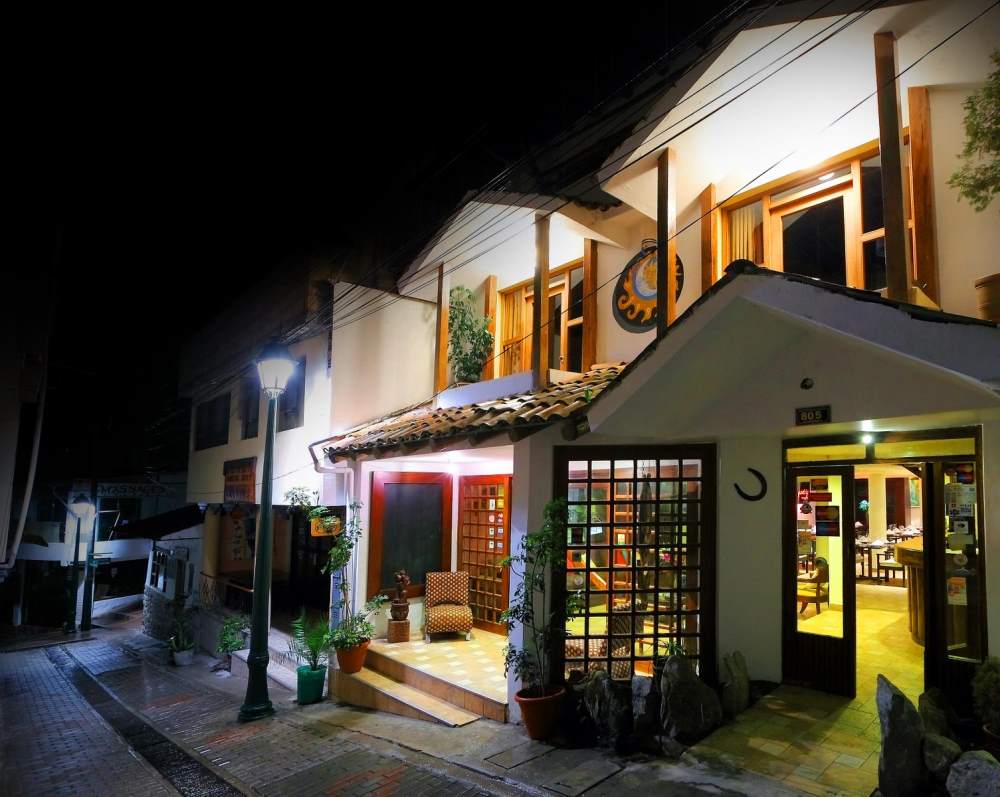
From Cusco, take a train to Aguas Calientes (also known as Machu Picchu Pueblo), the nearest town to the archaeological site (approximately 3–4 hours by train).
From Aguas Calientes, take a bus to the Machu Picchu entrance (about 30 minutes). -
Inca Trail Trek:
The classic Inca Trail is a four-day trek connecting Cusco with Machu Picchu. This iconic route passes through stunning Andean scenery, ancient Inca ruins, and lush cloud forests.
Advance booking is required due to limited daily permits and high demand. -
Alternative Hiking Routes:
Other routes, such as the Salkantay Trek or the Huchuy Qosqo Trail, offer adventurous alternatives to reach Machu Picchu.
Features of Machu Picchu
-
Inca Architecture:
Machu Picchu was built during the height of the Inca Empire, likely in the 15th century under the rule of Inca Pachacútec.
Its structures are made of finely carved stone blocks fitted together without mortar, demonstrating the Incas’ advanced engineering.
The site includes agricultural terraces, ceremonial temples, plazas, fountains, and residential areas. -
Main Areas:
-
Temple of the Sun: A semicircular building with precise astronomical alignment, used to observe solstices.
-
Intihuatana: A carved ritual stone believed to have been used for solar worship ceremonies.
-
Temple of the Three Windows: Represents the three levels of the Andean world—Hanan Pacha (the upper world), Kay Pacha (the earthly world), and Uku Pacha (the inner world).
-
Agricultural Sector: Terraced fields that showcase the Incas’ remarkable ability to adapt to steep mountain terrain.
-
-
Strategic Location:
Machu Picchu is set between two majestic mountains—Huayna Picchu (“Young Mountain”) and Machu Picchu (“Old Mountain”).
Its elevated and hidden position helped it remain undiscovered by the Spanish conquistadors for centuries. -
Spiritual Connection:
According to Andean cosmology, Machu Picchu was a sacred site dedicated to the sun, nature, and ancestral spirits.
Many of its structures are aligned with significant astronomical events such as solstices and equinoxes. -
Unique Biodiversity:
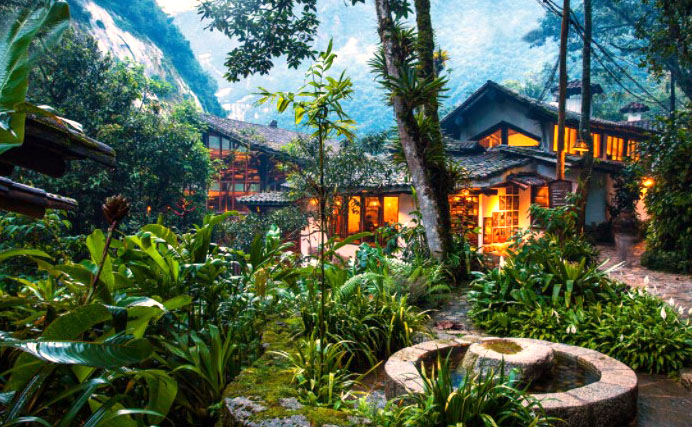
The area surrounding Machu Picchu is part of the Machu Picchu Historic Sanctuary Biosphere Reserve, which protects a remarkable variety of flora and fauna, including endemic species such as the Andean spectacled bear and the Andean condor.
Recommended Activities
-
Exploration of the Archaeological Site:
Wander through the terraces, temples, and plazas to admire the architectural precision and learn about Inca history. -
Hike to Huayna Picchu:
Climb Huayna Picchu, the mountain that offers breathtaking panoramic views of Machu Picchu. (Advance booking is required due to limited daily access.) -
Photography:
The landscapes of Machu Picchu—with its terraced slopes, towering peaks, and mysterious mists—are perfect for capturing unforgettable images. -
Observation of Flora and Fauna:
Spot endemic species such as orchids, exotic birds, and small mammals that thrive in the sanctuary. -
Relaxation in Aguas Calientes:
After visiting Machu Picchu, unwind in the natural hot springs of Aguas Calientes—a perfect way to relax after a day of exploration. -
Cultural Learning:
Hire a local guide to learn about Machu Picchu’s history, architecture, and spiritual meaning. This will enrich your visit and deepen your understanding of its significance.
Tips for Your Visit
-
Best Season: The best time to visit Machu Picchu is during the dry season (May to September), when weather conditions are more stable and trails are more accessible.
-
Altitude: At 2,430 meters (7,970 feet) above sea level, Machu Picchu’s altitude is moderate compared to Cusco, reducing the risk of altitude sickness—but it’s still advisable to acclimate before your visit.
-
Proper Gear: Wear lightweight clothing, sturdy walking shoes, and sun protection. It’s also recommended to bring water, light snacks, and a small first aid kit.
-
Respect the Environment: Help preserve the site’s natural and cultural beauty by avoiding litter and following conservation rules.
-
Local Guide: Hiring a local guide is highly recommended for detailed insights into the site’s history, architecture, and cultural heritage.
Why Visit Machu Picchu
Machu Picchu is far more than an archaeological site—it is a place that connects visitors with the grandeur of the Inca Empire and the majesty of the Andean landscape. Its impressive terraces, stunning scenery, and tranquil atmosphere make it one of the world’s most extraordinary destinations.
Moreover, its proximity to other regional attractions—such as the Sacred Valley of the Incas, Cusco, and the Inca Trail—makes it part of a complete and unforgettable journey through southern Peru. Whether you’re drawn by history, photography, or the serenity of nature, Machu Picchu offers something for everyone.
Exploring Machu Picchu is an opportunity to discover one of the most fascinating legacies of the Inca civilization and the rich historical heritage of Peru—a country that never ceases to amaze with its cultural and natural wonders.


Destinos Destacados
-
AUSANGATE – Cusco
The Ausangate Lakes are a group of crystal-clea... -
Bosque seco del Marañon
El bosque seco del Marañón es un fascinante lug... -
Cañón del Colca
El majestuoso Cañón del Colca, en Arequi...

© 2026 All rights reserved. Naturatourism.com
Some images used on this website come from official and private sources, including PROMPERÚ, peru.travel, Wikimedia Commons, and local tourism agencies, for the sole purpose of tourism promotion and destination awareness.