


Pacaya-Samiria
The Heart of the Peruvian Amazon
The Pacaya-Samiria National Reserve is a natural gem located in the Loreto region, in northern Peru, approximately 183 km southwest of Iquitos. Covering an area of 20,800 km², it is the largest reserve in the Peruvian Amazon and one of the most important protected areas in the world. This vast biodiversity sanctuary is made up of rivers, lagoons, floodplain forests, and landscapes that change with the seasons, creating a unique and vibrant ecosystem.
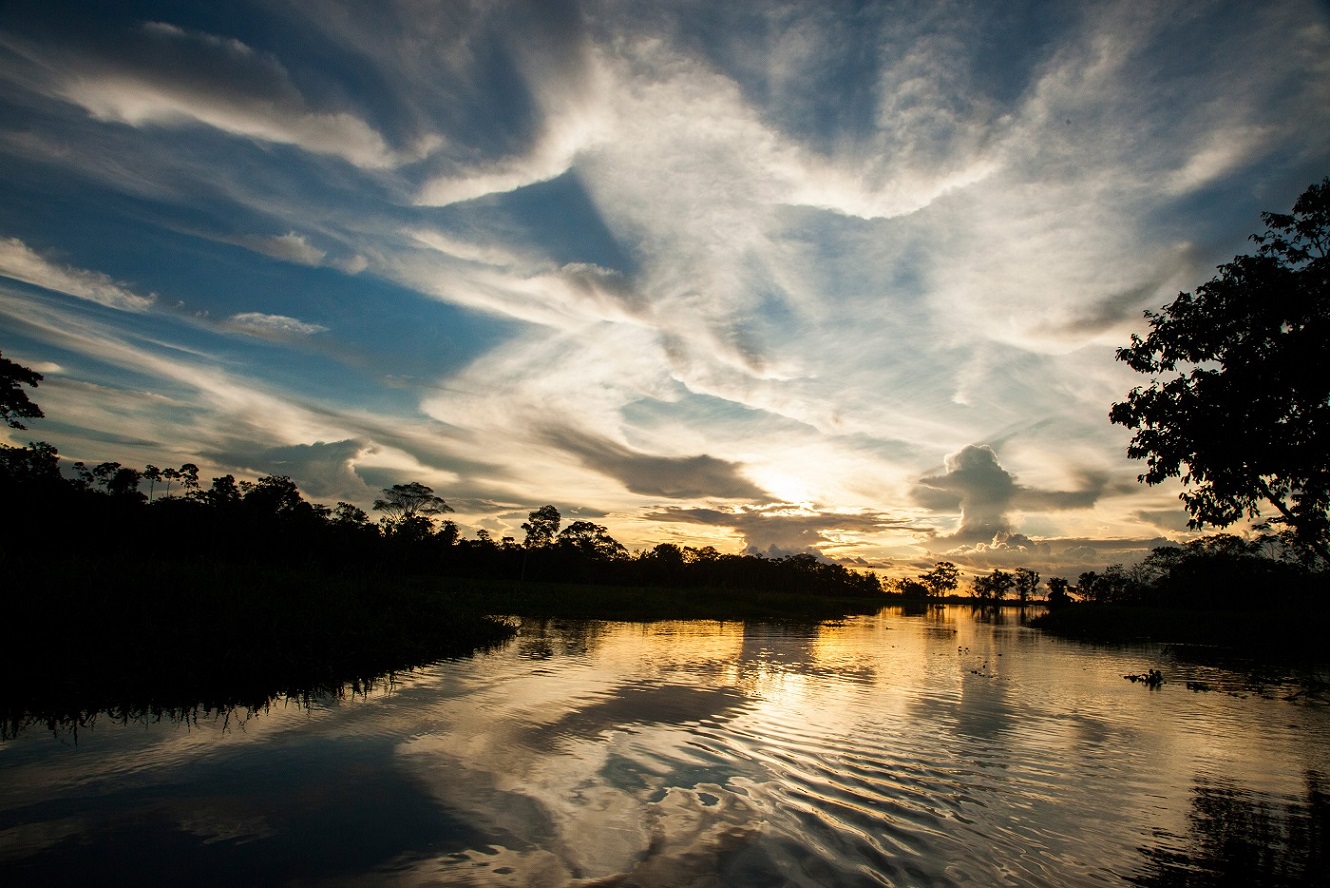
Known as the "jungle of mirrors" due to its waters reflecting the sky and surrounding vegetation, Pacaya-Samiria is a must-visit destination for those seeking to experience the majesty of the Amazon rainforest in its purest state.
Location and Access
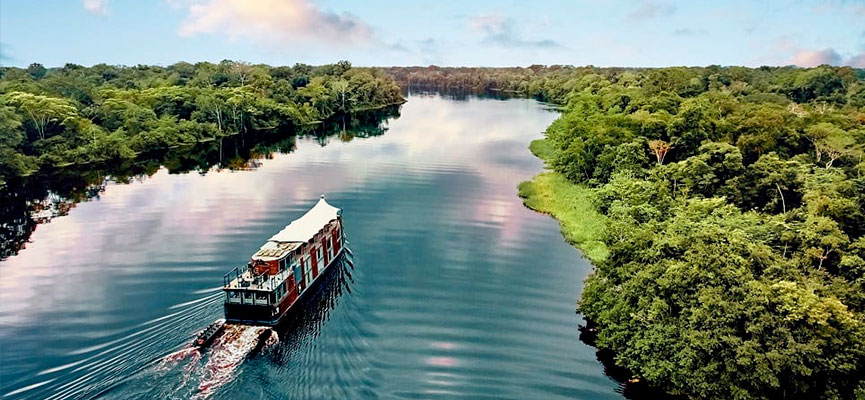
The Pacaya-Samiria National Reserve is situated between the Marañón and Ucayali rivers, two main tributaries of the Amazon, in the Loreto region. Visitors access the reserve by traveling along the rivers in small boats from Iquitos, the nearest city.
How to Get There
-
From Lima, take a flight to Iquitos (approximately 1 hour and 45 minutes).
-
From Iquitos, take a river boat to the reserve. The journey can last between 4 and 6 hours, depending on the access point.
-
Many organized tours include transportation from Iquitos, specialized guides, and accommodation in lodges or camps within the reserve.
Features of Pacaya-Samiria
-
Unique Ecosystem: The reserve is known for its floodplain forests, which fill with water during the rainy season, transforming the landscape into a vast network of rivers, lagoons, and navigable channels. This phenomenon creates an ideal habitat for a wide variety of species.
-
Marine and Terrestrial Biodiversity: Pacaya-Samiria is home to incredible wildlife, including:
-
Fauna: Pink and grey dolphins, Amazonian manatees, black caimans, anacondas, jaguars, squirrel monkeys, tapirs, and a wide variety of birds such as macaws, toucans, and herons.
-
Flora: Giant trees like lupuna, palm trees, orchids, and medicinal plants used by local communities.
-
-
Navigable Rivers: The Pacaya, Samiria, and their tributaries are the main routes within the reserve. These rivers are essential for the wildlife in the area and for indigenous communities living in harmony with nature.
-
Local Culture: The reserve is home to indigenous communities such as the Bora, Yagua, and Cocama, who maintain their ancestral traditions. Visitors can interact with these communities, learn about their customs, and enjoy cultural activities such as dances and ceremonies.
-
Conservation Sanctuary: The reserve is a protected area dedicated to preserving the biodiversity of the Peruvian Amazon and ensuring the well-being of local communities. It is a successful example of community-based conservation.
Recommended Activities
-
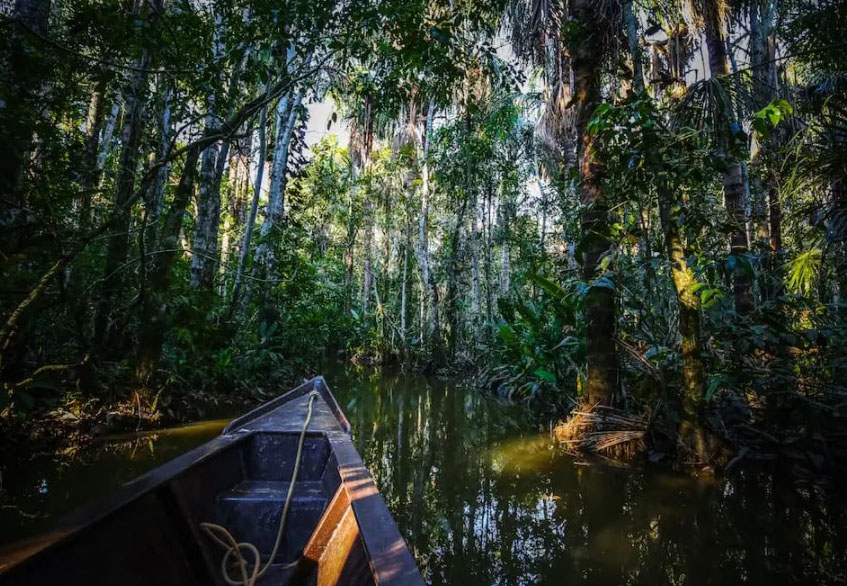
Boat Exploration:
Navigate the rivers and channels of the reserve in small boats to observe the region’s unique flora and fauna. During the trip, you may see pink dolphins, caimans, and a wide variety of birds. -
Wildlife Observation:
Bring binoculars to spot species such as jaguars, monkeys, tapirs, and exotic birds. Early mornings and late afternoons are the best times for wildlife sightings. -
Jungle Walks:
Explore guided trails within the reserve to learn about local flora, including giant trees, medicinal plants, and orchids. -
Interaction with Indigenous Communities:
Visit local communities to learn about their traditions, customs, and ways of life. Participate in ceremonies, taste traditional dishes, and purchase handmade crafts. -
Sport Fishing:
Experience sport fishing for species such as the paiche, the largest fish in the Amazon. This activity is sustainable and regulated to protect the ecosystem. -
Photography:
The landscapes of Pacaya-Samiria, with reflective rivers, floodplain forests, and exotic wildlife, are ideal for capturing unique images. Sunrise and sunset views are especially impressive. -
Relaxation in Lodges:
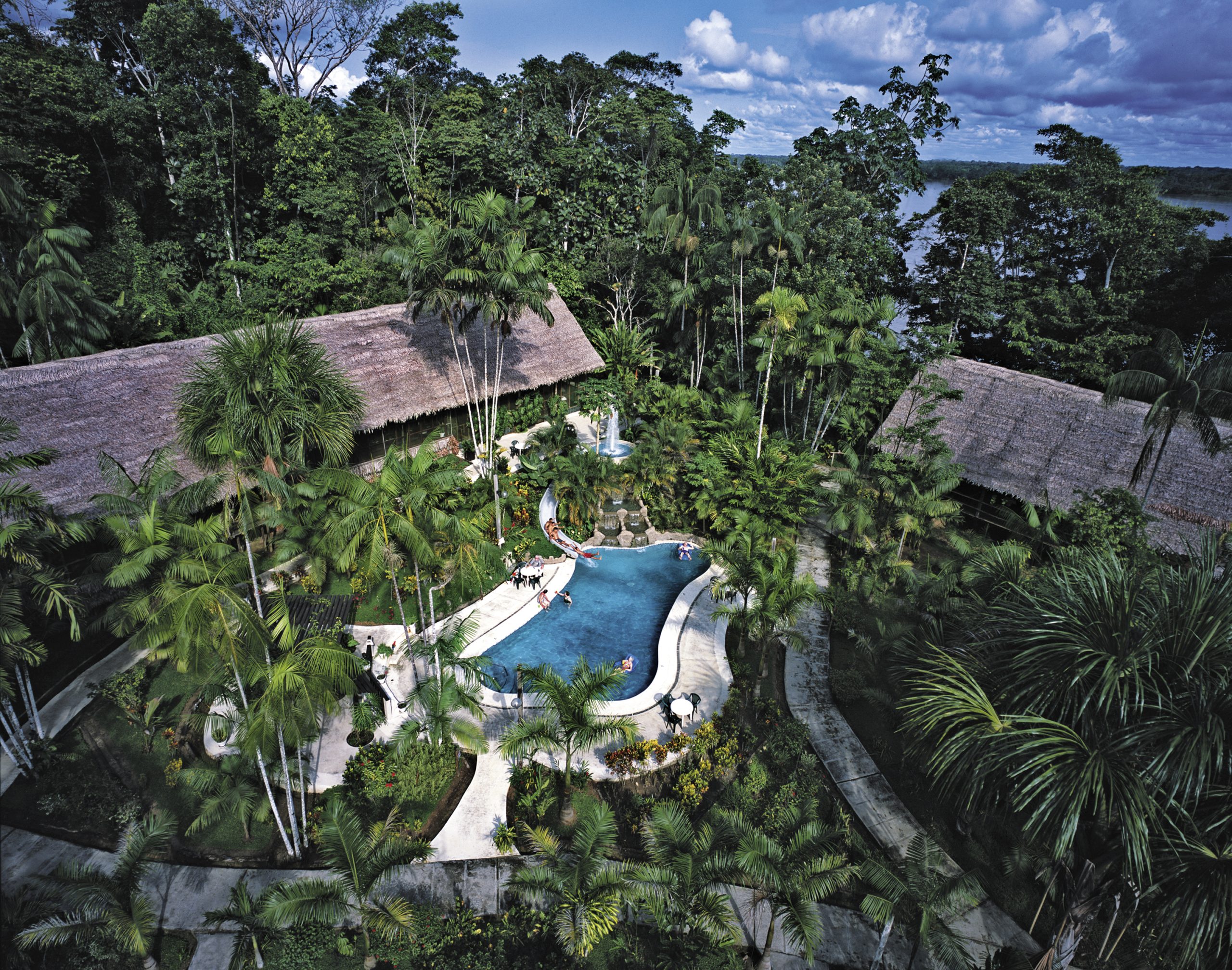
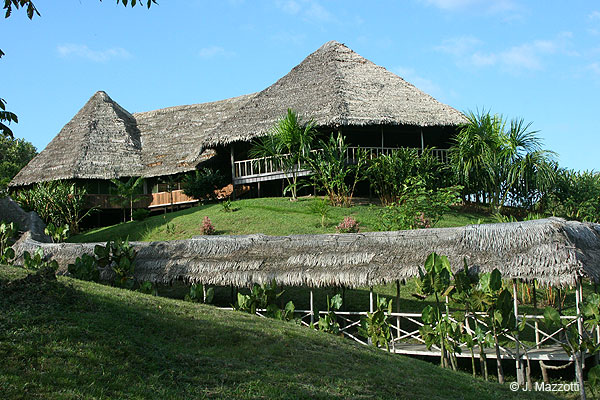
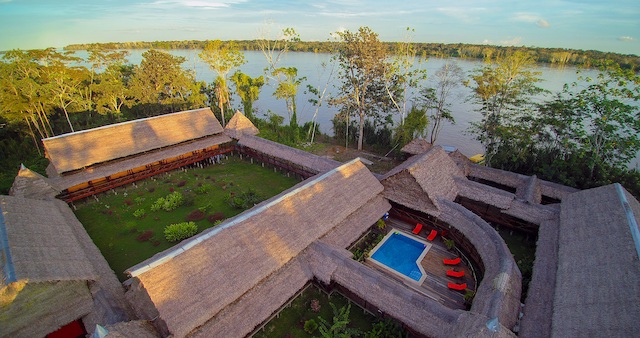
Enjoy a unique experience in eco-lodges within the reserve, offering comfort and guided activities to explore the jungle.
Tips for Your Visit
-
Best Season: The best time to visit Pacaya-Samiria is during the dry season (May to October), when water levels are lower and wildlife is easier to observe.
-
Gear Up: Wear light clothing, sturdy walking shoes, and insect protection (repellent and long-sleeved clothing). Sunglasses, a hat, and sunscreen are also recommended.
-
Respect Nature: Help preserve the natural beauty by avoiding litter and following conservation rules.
-
Hire a Local Guide: Highly recommended, as guides provide detailed information about the region’s flora, fauna, and culture.
-
Accommodation: Options range from eco-lodges to basic camps, depending on your preferences and budget.
Why Visit Pacaya-Samiria
The Pacaya-Samiria National Reserve is much more than a tourist destination; it connects visitors with the majesty of the Peruvian Amazon and the importance of environmental conservation. Its unique biodiversity, stunning landscapes, and local culture make it a special destination in northern Peru.
Its proximity to other regional attractions, such as Iquitos, the Amazon River, and indigenous communities, makes it part of a complete Amazonian experience. Whether you are interested in wildlife observation, photography, or simply enjoying a peaceful day in nature, this destination has something for everyone.
Exploring the Pacaya-Samiria National Reserve offers a chance to discover a lesser-known yet equally fascinating side of Peru—a country that never ceases to amaze with its natural and cultural richness.








Destinos Destacados
-
AUSANGATE – Cusco
The Ausangate Lakes are a group of crystal-clea... -
Bosque seco del Marañon
El bosque seco del Marañón es un fascinante lug... -
Cañón del Colca
El majestuoso Cañón del Colca, en Arequi...

© 2026 All rights reserved. Naturatourism.com
Some images used on this website come from official and private sources, including PROMPERÚ, peru.travel, Wikimedia Commons, and local tourism agencies, for the sole purpose of tourism promotion and destination awareness.