


Pillones Waterfalls and Imata Forest
Natural Gems of Northern Arequipa
Located 150 km north of the city of Arequipa, amidst a mountainous and vibrant landscape, are the Pillones Waterfalls and the Imata Forest, two natural treasures that combine scenic beauty, tranquility, and biodiversity. These destinations are perfect for those looking to escape the city’s hustle and immerse themselves in a world of crystal-clear waterfalls, mystical forests, and fresh Andean air.
Location and Access
Both sites are located in the Arequipa region, in rural areas surrounded by mountains and fertile valleys. To reach them, visitors must travel on paved roads and rural paths that cross stunning landscapes.
How to Get There
-
From Arequipa, take the road north toward the provinces of Caylloma or Condesuyos, depending on the specific destination.
-
The total trip may take between 3 and 4 hours by vehicle, depending on road conditions.
-
Some parts of the journey may require short hikes, especially to access the waterfalls or enter the forest.
Pillones Waterfalls: A Spectacle of Water and Nature
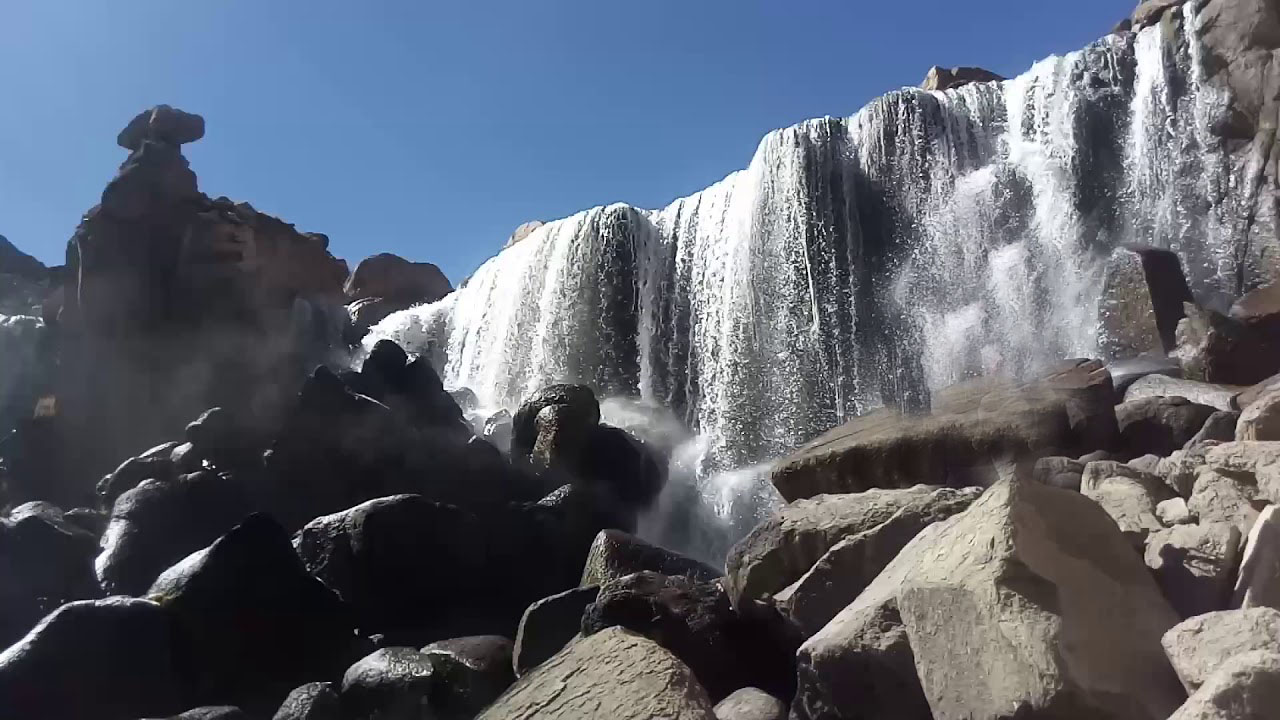
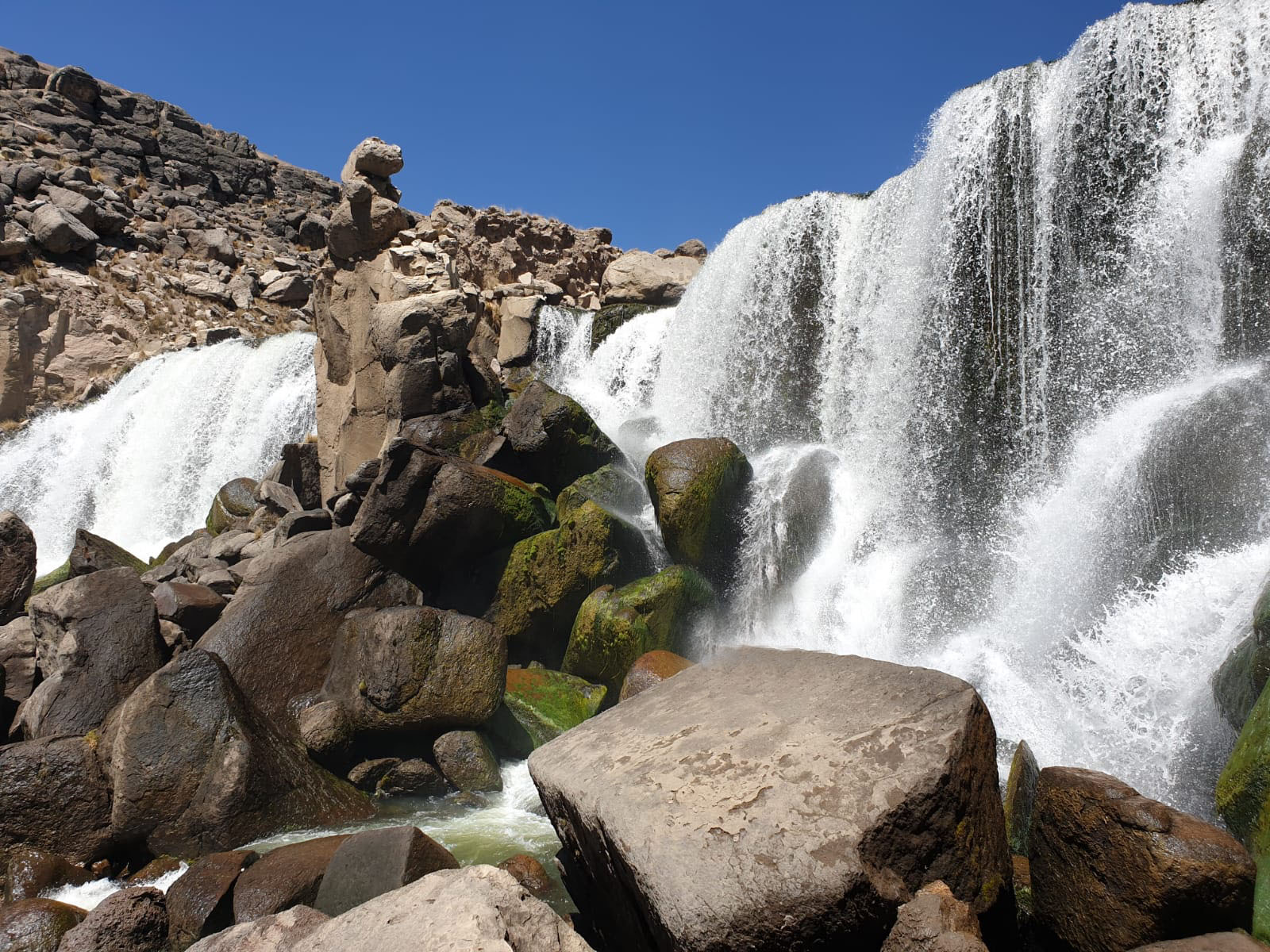
The Pillones Waterfalls are a natural wonder that captivates all visitors with their crystal-clear cascades descending from the mountains. This spot is ideal for those who wish to enjoy the wild beauty of the Peruvian Andes.
Features of the Waterfalls
-
Waterfalls: The waterfalls feature multiple cascades that fall in steps, creating an impressive visual and auditory spectacle. The roar of the water is a constant reminder of nature’s power.
-
Natural Pools: At the base of the falls, deep pools of clear water form, perfect for swimming and cooling off after a hike.
-
Natural Surroundings: Surrounded by lush vegetation, the waterfalls provide a habitat for various bird species, butterflies, and small mammals. Hummingbirds, parrots, and other endemic birds are commonly observed.
Recommended Activities
-
Swimming in the Pools: Immerse yourself in the cool waters for a revitalizing experience.
-
Photography: The waterfalls and their natural surroundings make this place a paradise for photographers.
-
Picnicking and Relaxation: Designated areas near the waterfalls allow visitors to enjoy a picnic while listening to the relaxing sound of the water.
-
Exploring Flora and Fauna: Local guides can help identify medicinal plants, birds, and other wildlife in the area.
Imata Forest: A Biodiversity Sanctuary
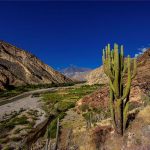
The Imata Forest is a unique ecosystem home to a wide variety of flora and fauna, with stunning landscapes combining mountains, valleys, and winding rivers. This forest is known for its tranquility and its connection to Andean culture.
Features of the Forest
-
Adapted Vegetation: The forest is dominated by native trees, shrubs, and succulent plants that have developed mechanisms to survive in high-altitude and cold conditions.
-
Endemic Species: Many plants and animals living here are exclusive to this region, including certain bromeliads, orchids, and endemic birds.
-
Rivers and Streams: Small rivers and streams run through the forest, providing fresh water and creating an ideal environment for wildlife.
Recommended Activities
-
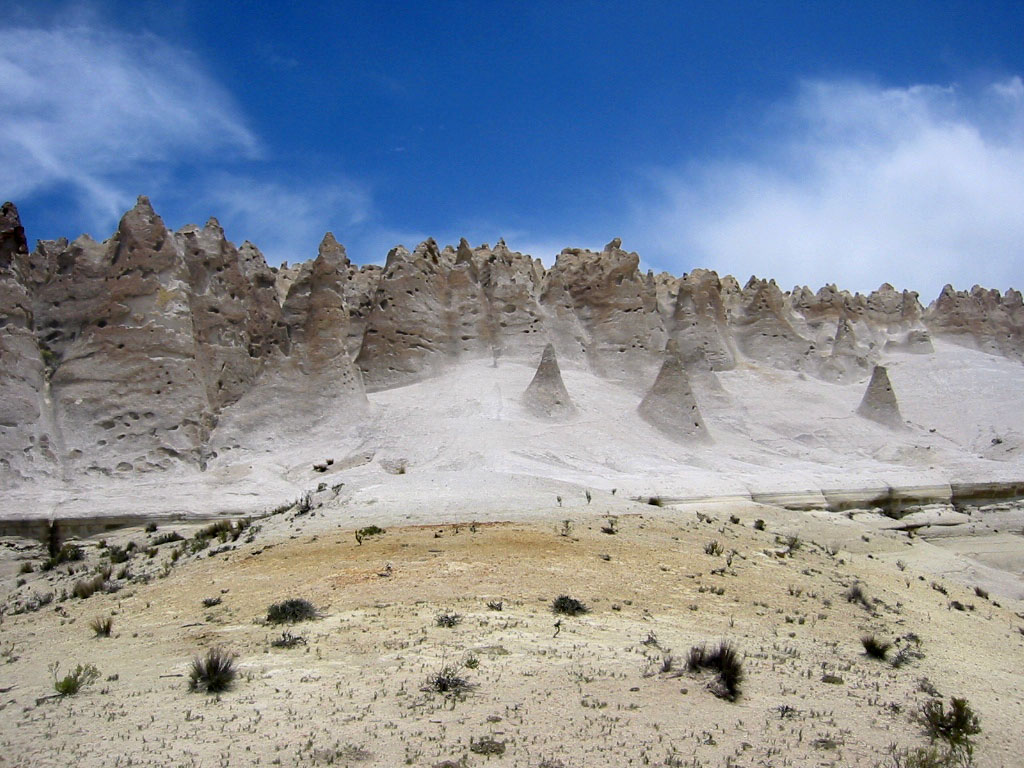
Hiking: Exploring the forest trails is an unforgettable experience, taking you through arid landscapes, deep canyons, and areas where vegetation becomes denser.
-
Birdwatching: The forest is a paradise for ornithologists, hosting endemic species found nowhere else in the world.
-
Photography: The combination of arid landscapes, rocky formations, and adapted flora makes this a perfect setting for capturing unique images.
-
Interaction with Local Communities: Nearby communities offer opportunities to learn about local traditions and the sustainable use of natural resources.
Tips for Your Visit
-
Best Season: The ideal time to visit these places is during the dry season (May to September), when the trails are more accessible and the weather is more stable.
-
Proper Gear: Wear light but protective clothing, sturdy walking shoes, and insect repellent. It is also recommended to bring water and light snacks.
-
Altitude: Some areas may be at considerable heights, so proper acclimatization is important to avoid altitude sickness.
-
Respect the Environment: Help preserve the natural beauty by avoiding litter and following conservation rules.
Why Visit Pillones Waterfalls and Imata Forest
These two destinations are much more than scenic landscapes; they connect visitors with the history, culture, and biodiversity of the Peruvian Andes. The Pillones Waterfalls offer a spectacular display of water and nature that invites contemplation and relaxation, while the Imata Forest is a wildlife sanctuary and a showcase of the adaptability of Andean ecosystems.
Their proximity to Arequipa also makes them accessible for those wishing to explore the region without traveling too far from the city. Whether you are interested in hiking, photography, or simply enjoying stunning landscapes, these places will surely leave you amazed.
Exploring the Pillones Waterfalls and the Imata Forest is an opportunity to discover a lesser-known but equally fascinating side of Peru, a country that never ceases to surprise with its natural and cultural richness.





Destinos Destacados
-
AUSANGATE – Cusco
The Ausangate Lakes are a group of crystal-clea... -
Bosque seco del Marañon
El bosque seco del Marañón es un fascinante lug... -

Cañón del Colca
El majestuoso Cañón del Colca, en Arequi...

© 2026 All rights reserved. Naturatourism.com
Some images used on this website come from official and private sources, including PROMPERÚ, peru.travel, Wikimedia Commons, and local tourism agencies, for the sole purpose of tourism promotion and destination awareness.