


Colca Canyon, Arequipa
Colca Canyon – A Corner of Nature That Inspires
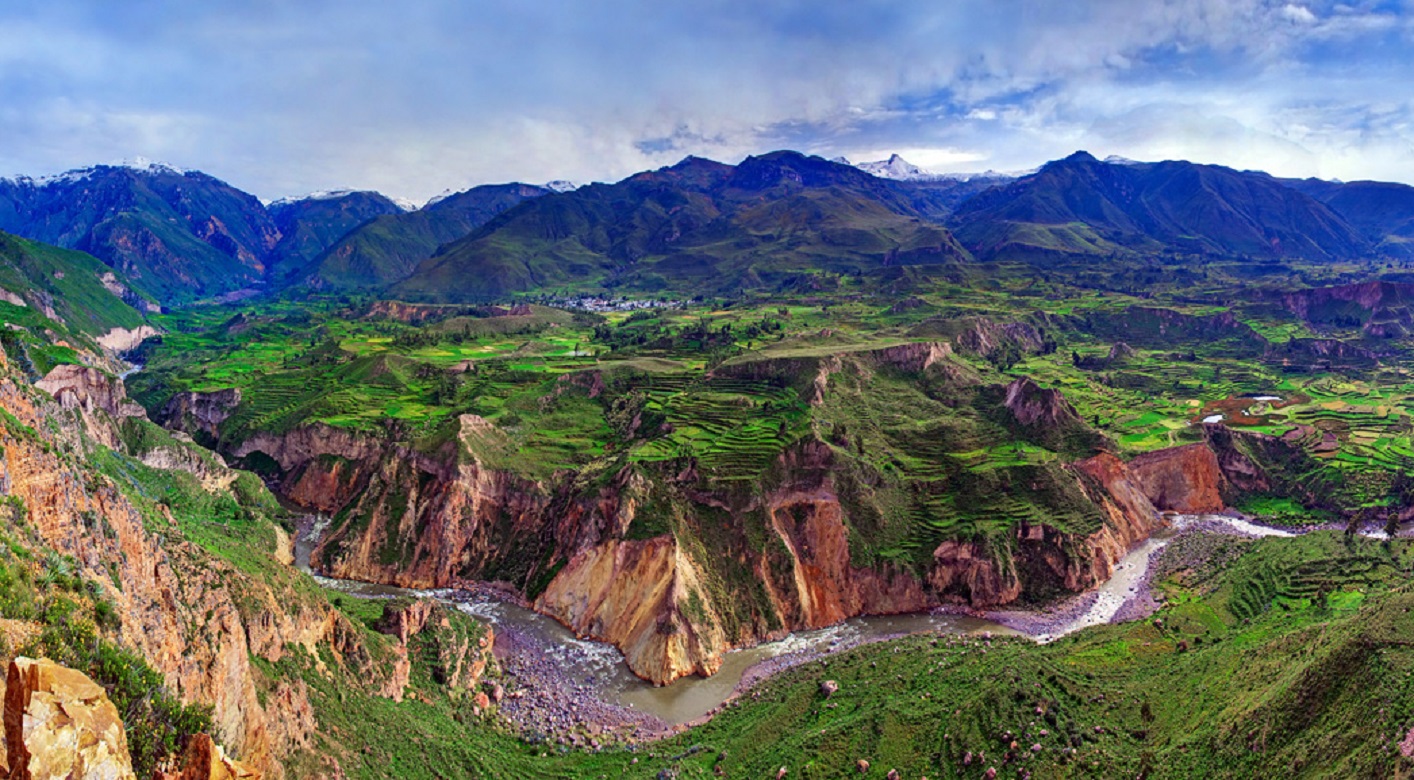
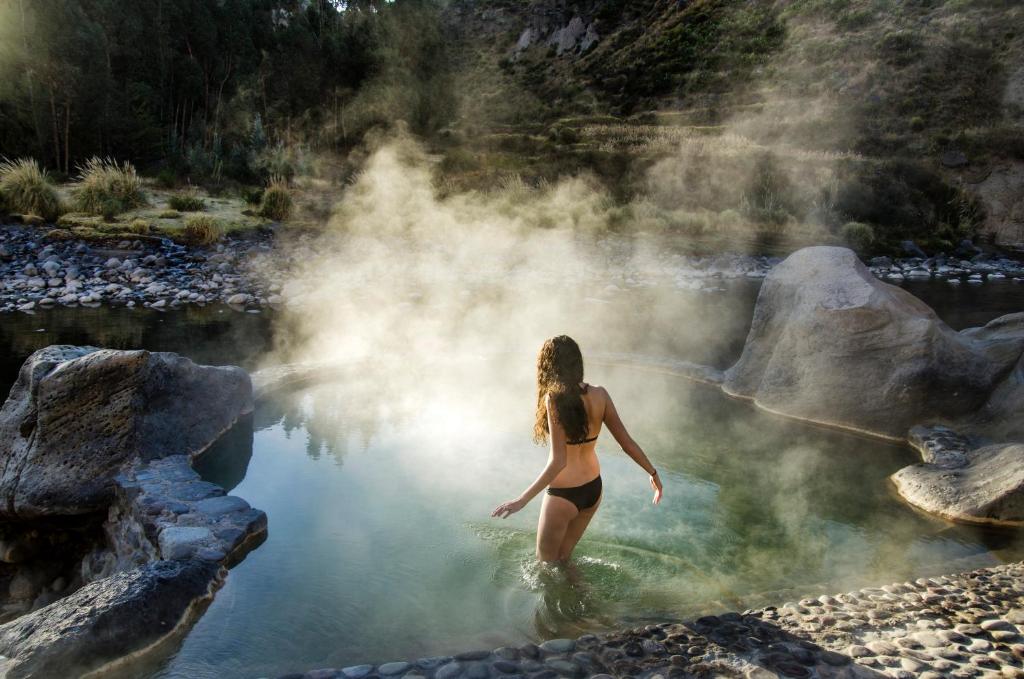
Imagine standing before one of the deepest canyons in the world, surrounded by towering landscapes, ancient agricultural terraces, and the majestic flight of the Andean condor above your head. Colca Canyon, in the Arequipa region, is much more than a tourist destination: it is an experience of connection with nature and the cultural roots of the Peruvian Andes. Here, you can enjoy natural hot springs under a starry sky, walk through villages that have preserved their ancestral identity, and admire landscapes that seem painted by nature itself. If you seek adventure, tranquility, and cultural immersion in unique natural settings, Colca Canyon is waiting for you.
Location and Access
Colca Canyon is located in the Arequipa Region, in southwestern Peru. It stretches along the Colca River, within the Caylloma Province, among Andean villages such as Chivay, Cabanaconde, Pinchollo, and Yanque.
It is one of the deepest canyons in the world, with an average depth of 4,000 meters, formed over millions of years by the natural erosion of volcanic rocks by the river.
How to Get There
From Arequipa:
-
Distance: approximately 170 km.
-
Travel time: around 4 hours by car or bus.
Transportation Options:
-
By land: Regular bus services depart daily from Arequipa to Chivay.
-
Private or rental vehicle.
-
Guided tours: Many agencies offer complete packages including transportation.
Recommended Entry Point:
Most visitors enter through the town of Chivay, considered the main tourist hub of the Colca Valley.
Features of the Place
-
Depth: Up to 4,000 meters (one of the deepest in the world)
-
Length: Approximately 120 km
-
Altitude: Between 2,000 and 4,000 m
-
Ecosystems: Desert, high Andean, and inter-Andean valley
-
Geographic Formation: Created by the erosion of the Colca River over volcanic and sedimentary rocks, combined with tectonic movements
This canyon is not only an impressive geological phenomenon but also a place rich in history and ancestral culture.
Flora
Colca Canyon hosts flora adapted to extreme altitude and dry conditions. Notable species include:
-
Cacti
-
Queñua trees
-
Molles
-
Algarrobo trees
-
Traditional crops: corn, native potatoes, quinoa, beans, and fruit trees
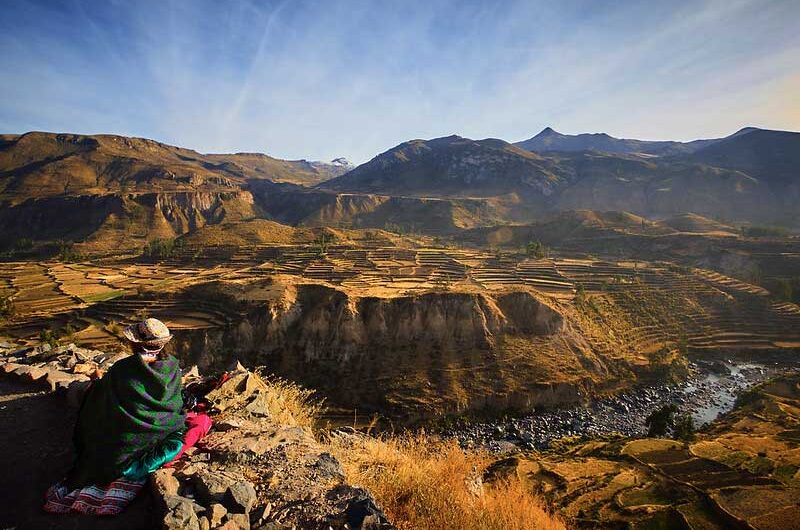
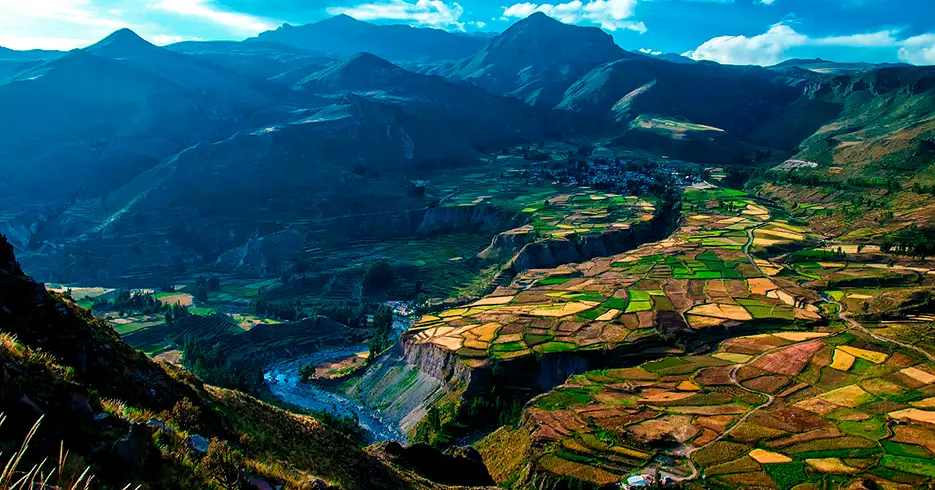
Ancient agricultural terraces are still in use, showcasing ancestral wisdom in natural resource management.
Fauna
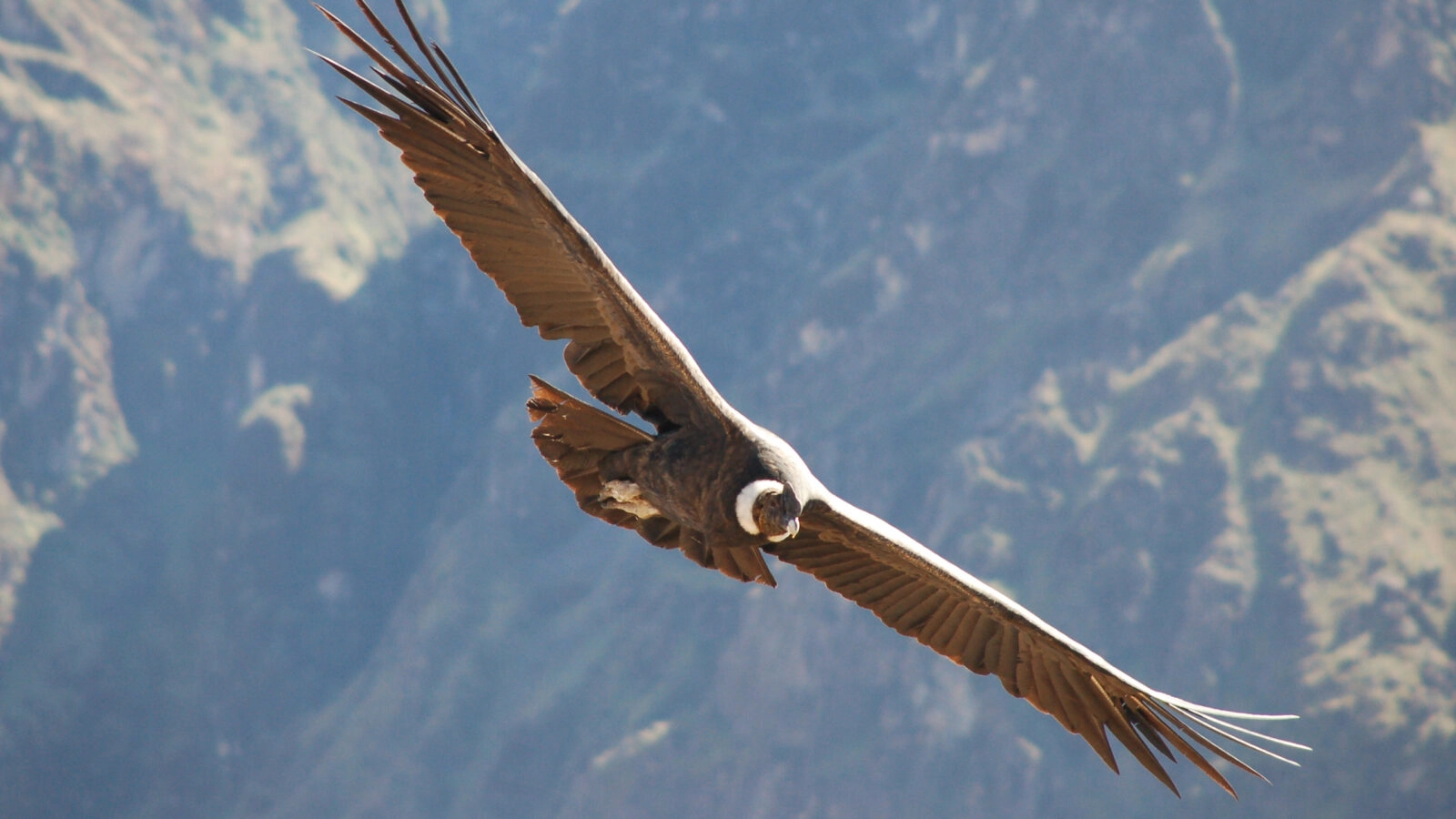
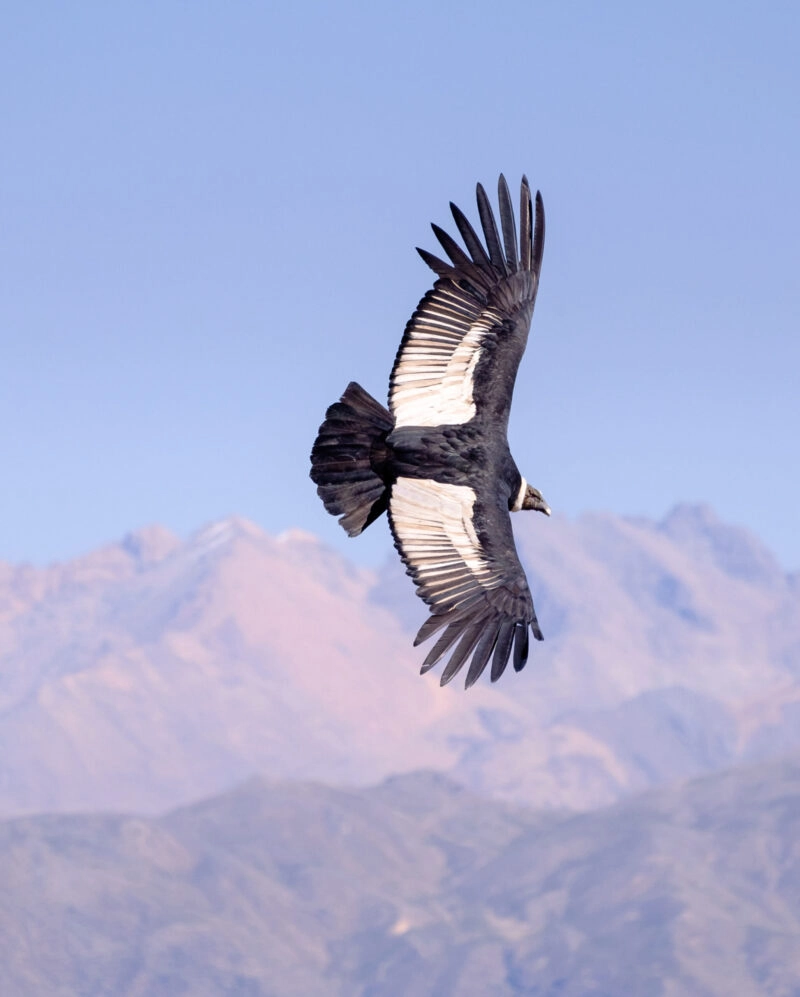
The canyon’s fauna is as rich as it is diverse, famously home to the Andean condor, a symbol of Peru. Other notable species include:
-
Andean condor (Vultur gryphus)
-
Andean fox
-
Vizcacha
-
Various migratory birds
-
Reptiles and amphibians adapted to the arid climate
Recommended Activities
-
Visit Cruz del Cóndor Viewpoint: Ideal spot to observe the majestic flight of the Andean condor; excellent for photography and landscape contemplation.
-
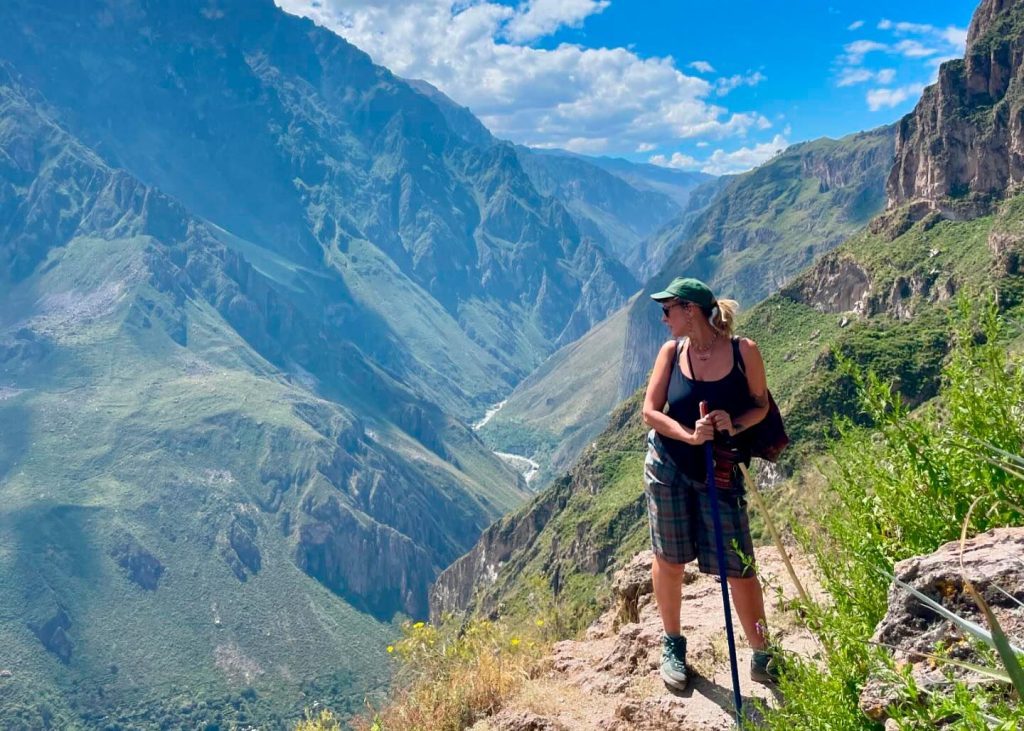
Hiking and Trekking: Walk through natural trails, ancient terraces, and traditional villages; routes of different levels suitable for nature lovers.
-
Horseback Riding: Explore the canyon at a relaxed pace while enjoying the scenery.
-
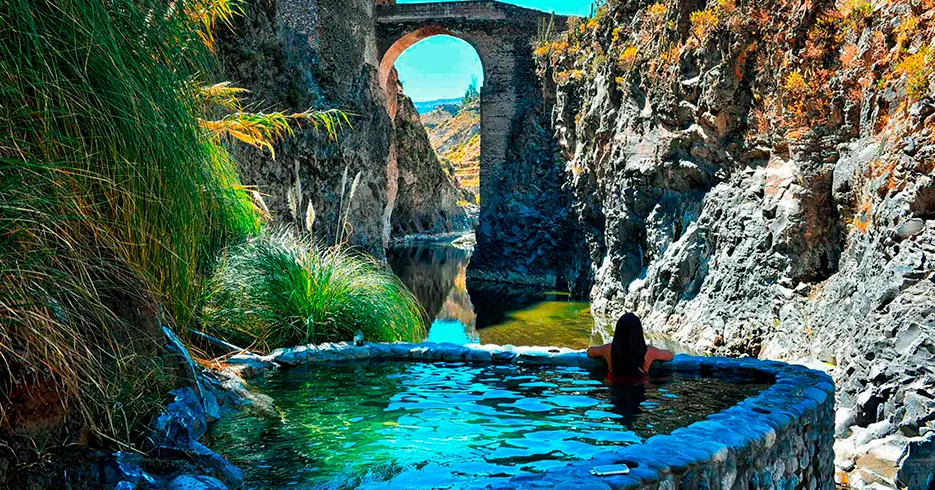
Hot Springs: Chivay and Yunza hot springs, medicinal waters perfect for relaxing after hikes, with temperatures ranging from 38°C to 46°C.
-
Cultural Tourism: Visit villages like Lari, Maca, and Pinchollo to experience Andean rural life, traditional weaving, and local customs.
-
Photography and Nature Observation: Spot condors, vizcachas, and unique highland flora.
Ecological Importance
Colca Canyon is part of the Colca Canyon Regional Conservation Area (ACR Colca), aimed at protecting its ecosystem, promoting sustainable tourism, and preserving local cultural traditions.
It is a key area for conserving endemic species and maintaining the region’s water balance, as the Colca River is vital for local agriculture.
Tips for Your Visit
-
Sun protection: Bring sunscreen and a hat due to high UV exposure.
-
Insect repellent: Needed in some areas.
-
Stay hydrated: The dry climate and high altitude can cause dehydration.
-
Acclimatize: If coming from sea level, allow a day to adjust to the altitude.
-
Proper footwear: Suitable for walking and hiking.
-
Avoid rainy season (November–March): Risk of landslides and impassable roads.
-
Respect local culture: Ask before photographing people in traditional communities.
Why Visit Colca Canyon?
-
Unique and majestic natural landscapes
-
Observe the Andean condor in its natural habitat
-
Cultural immersion in ancestral communities
-
Excellent destination for ecotourism and adventure
-
Perfect settings for photography and contemplation
-
Relax in natural hot springs
-
Protected area with high ecological and cultural value
Colca Canyon is a landscape of indescribable beauty, where towering mountains contrast with the bright blue sky, green vegetation, and condors gliding from one point to another. It has been recognized as a Global Geopark, ranking third in South America for this distinction.
Located northeast of Arequipa in Caylloma Province, southwestern Peru, it reaches up to 4,160 meters and is considered the fourth largest and deepest canyon in the world.
Nestled in a valley within the Andean range and near volcanic formations, Colca Canyon offers more than sightseeing: visitors can enjoy colonial villages, delicious cuisine, and magnificent hot springs.
Getting There from Lima:
Take a bus or a flight (about 1 hour 25 minutes) to Arequipa, then a 4-hour drive to Chivay, followed by a 10-minute bus ride to Colca Canyon.
Destinos Destacados
-
AUSANGATE – Cusco
The Ausangate Lakes are a group of crystal-clea... -
Bosque seco del Marañon
El bosque seco del Marañón es un fascinante lug... -
CANYON TINAJANI
Si buscas lugares asombrosos por su belleza y g...

© 2026 All rights reserved. Naturatourism.com
Some images used on this website come from official and private sources, including PROMPERÚ, peru.travel, Wikimedia Commons, and local tourism agencies, for the sole purpose of tourism promotion and destination awareness.