


Fiesta del Sol – Inti Raymi
The Reign of the Sun in the Heart of the Inca Empire
In the very center of the ancient Inca Empire, in the magical city of Cusco, the Festival of the Sun – Inti Raymi is celebrated every June 24th. It is an ancestral ceremony dedicated to the Sun God (Inti), considered by the Incas to be the father of all life.
This event, whose name in Quechua means "Festival of the Sun," was during the height of Tawantinsuyo the most important celebration of the year, marking the beginning of the new agricultural cycle and the winter solstice in the southern hemisphere.
Today, this celebration is revived in splendor every year in the streets of Cusco, attracting thousands of tourists and Peruvians seeking to live a unique experience among history, culture, and Andean spirituality.
If you want to see how the past is brought to life in the present, Inti Raymi awaits you.
Location and Access
The Festival of the Sun – Inti Raymi takes place mainly in two historical spaces in the city of Cusco:
-
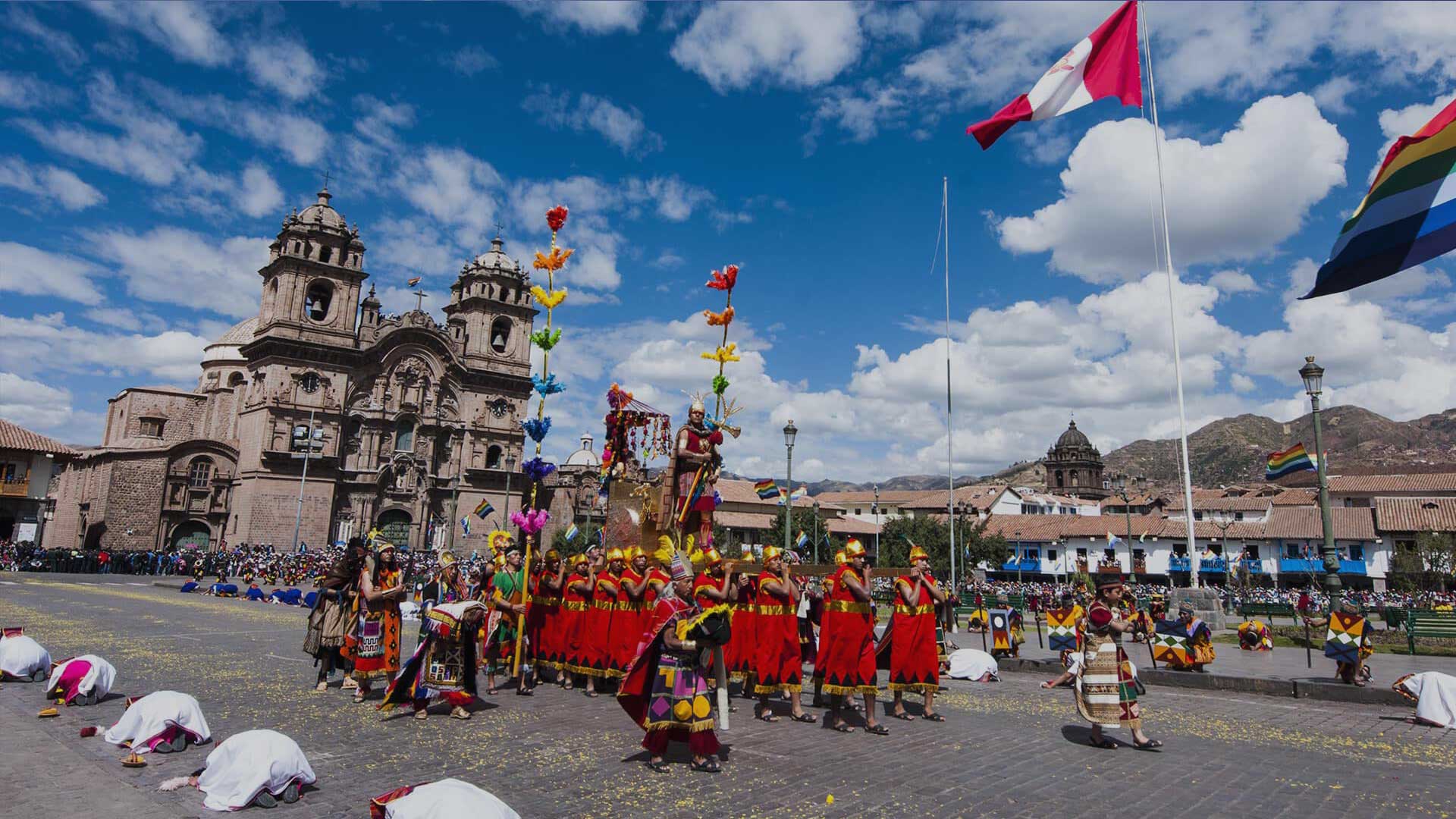
Plaza de Armas of Cusco: Where the central ceremony begins.
-
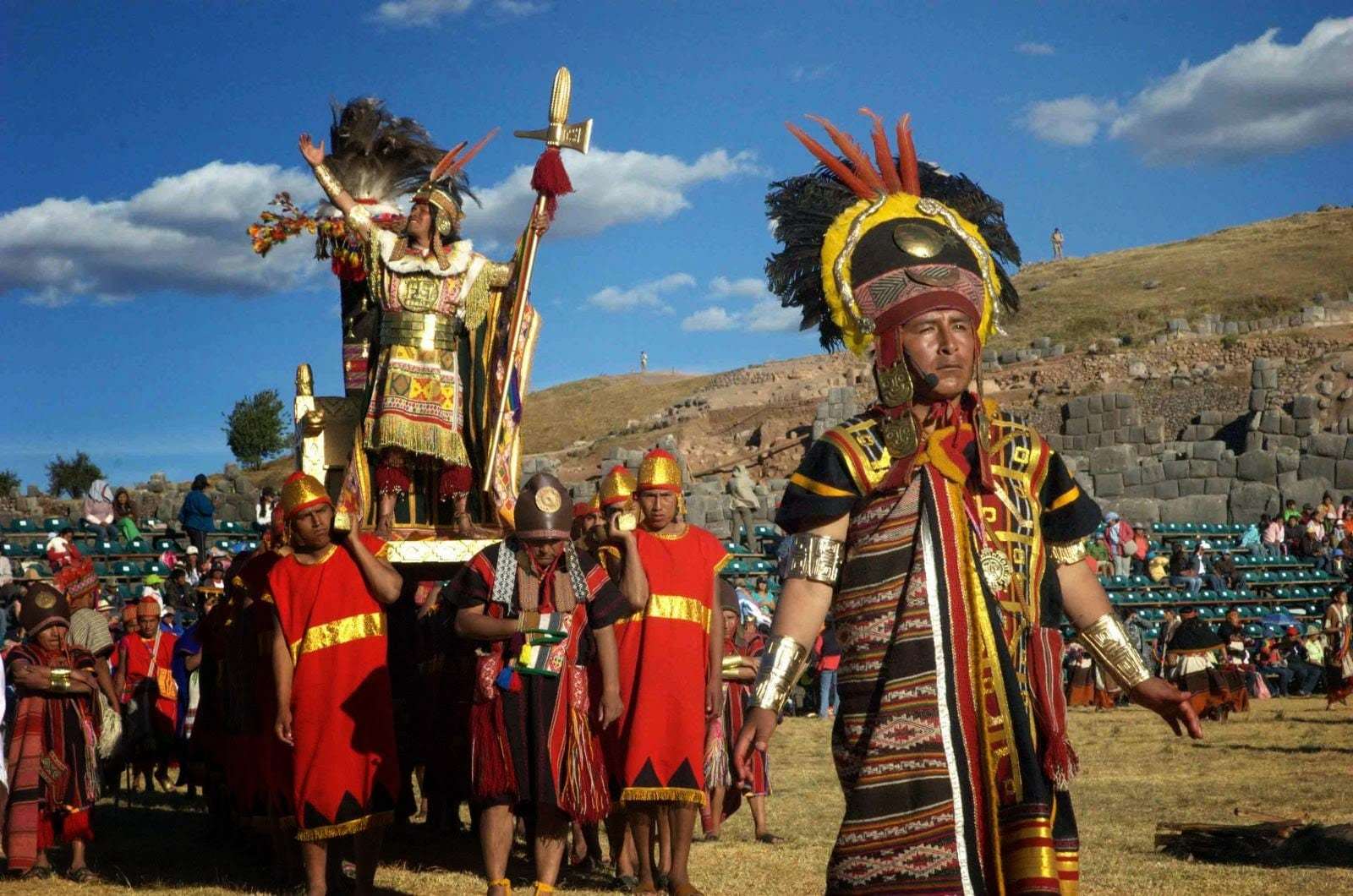
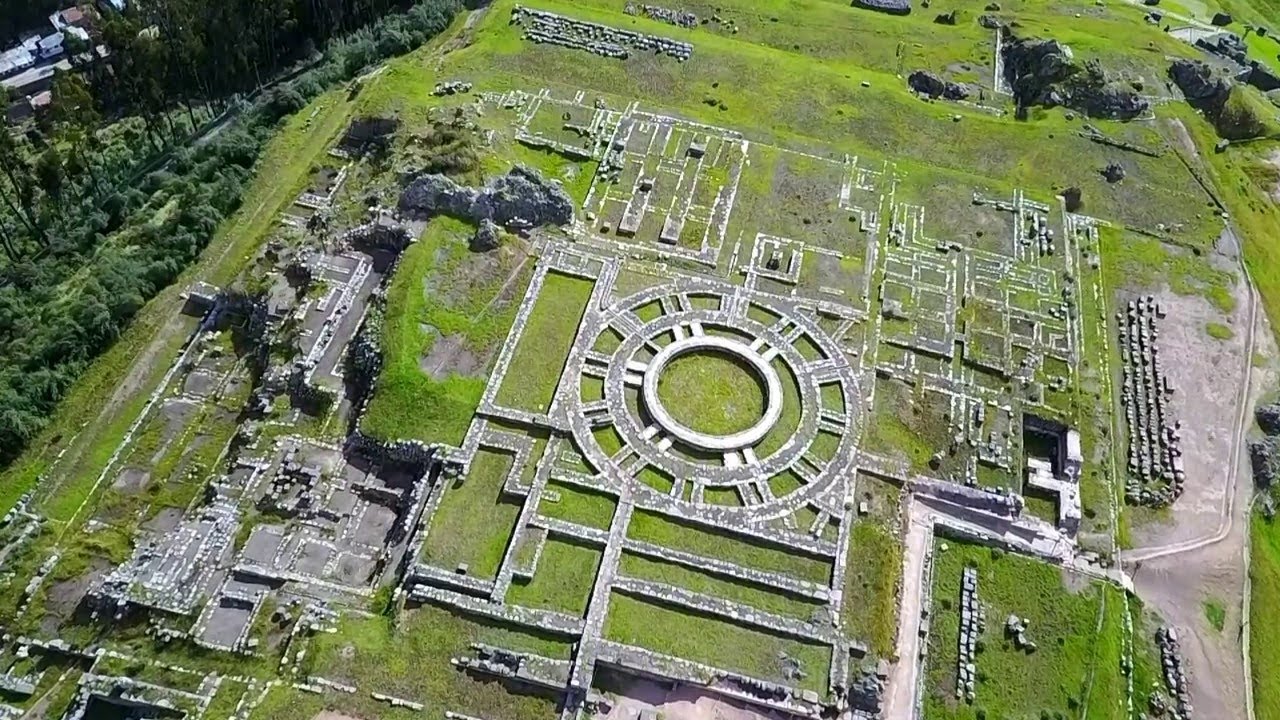
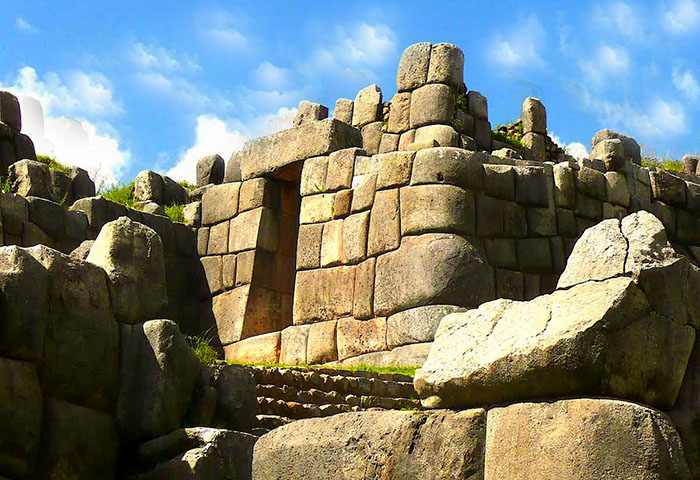
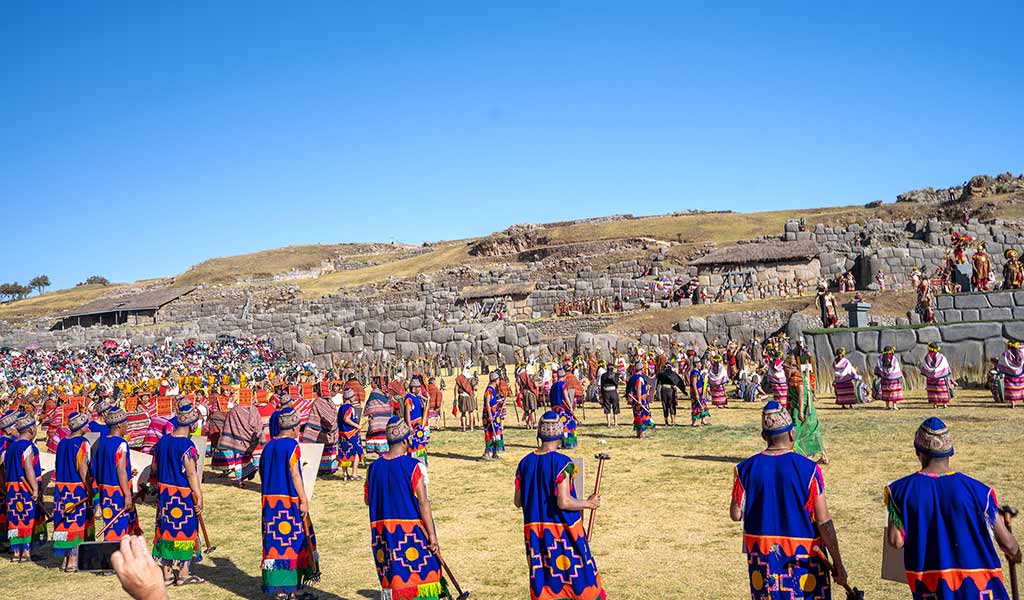
Sacsayhuamán: The main ceremonial space where dances, offerings, and historical reenactments take place.
There are also complementary events at other nearby archaeological sites such as Qenqo, Puca Pucara, and Tambo Machay.
How to Get There
-
From the Plaza de Armas: By walking or using urban transport.
-
From anywhere in Cusco: There are special buses and guided tours to Sacsayhuamán.
-
During the central days: Vehicle access is restricted near the main area.
Access is free, although it is recommended to arrive early to secure a good spot, especially in Sacsayhuamán, where the largest crowd gathers.
History and Origin of the Festival
Inti Raymi was instituted during the rule of Inca Pachacútec, who made it the most important religious event of the Inca calendar. It was a celebration of gratitude to the Sun, the source of life, warmth, and fertility.
Some notable characteristics:
-
It was held on the winter solstice (currently June 24th).
-
It lasted nine days and was presided over by the Inca himself.
-
Offerings of food, chicha, and animals in sacrifice were made.
-
It was a celebration of unity, social order, and spiritual renewal.
After the Spanish conquest, this festival was banned, but it survived in collective memory and officially resurfaced in 1944, thanks to the work of Cusco historians and artists.
Cultural Manifestations
During the festival days, color, rhythm, and tradition fill the streets:
-
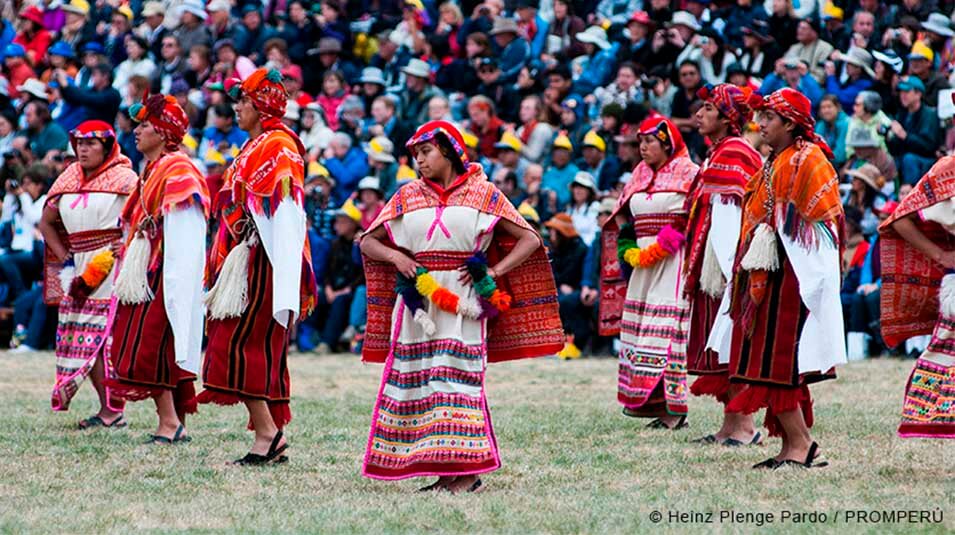
Typical Dances: Representations from the peoples of Cusco and other regions.
-
Andean Music: Featuring instruments like the sikú, quena, bombo, and charango.
-
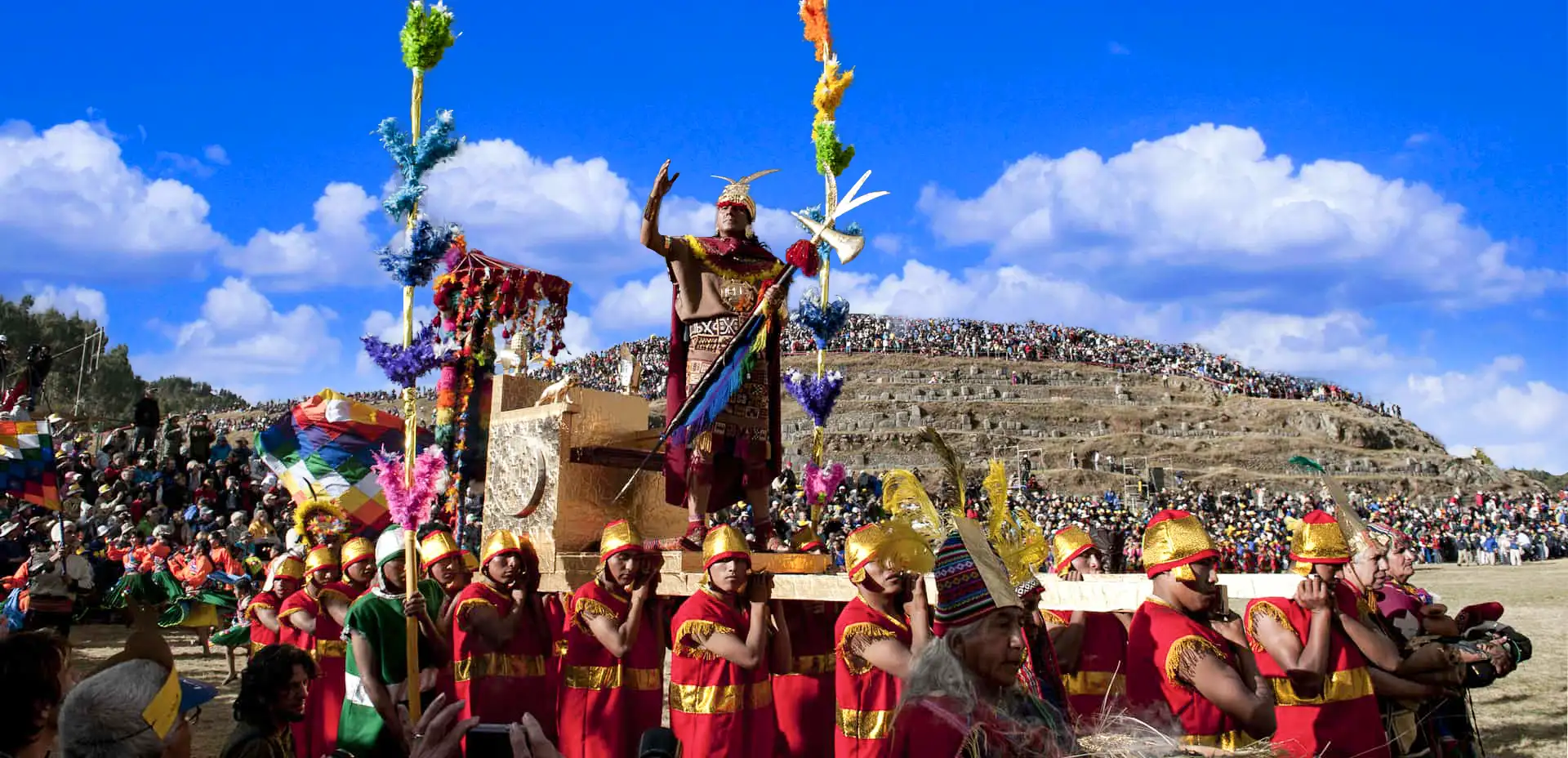
Historical Parade: In the Plaza de Armas, with original costumes and historical characters.
-
Theatrical Representation: In Sacsayhuamán, recreating the original Inca ceremony.
-
Artisan Fair: With textiles, jewelry, ceramics, and natural products from the region.
It is one of the largest cultural events in the country and showcases the richness of the Inca legacy and its continuity in the present-day identity.
Traditional Gastronomy
Food is a fundamental part of the celebration:
-
Roasted or fried guinea pig (cuy).
-
Humitas and tamales.
-
Purple corn drink (chicha morada) and corn beer (chicha de jora).
-
Pachamanca (food cooked under hot stones).
-
Empanadas, locro, and traditional soups.
During the festival, free or low-cost popular meals are also offered in different neighborhoods of the city.
Recommended Activities
-
Attend the inaugural parade in the Plaza de Armas.
-
Watch the theatrical representation in Sacsayhuamán.
-
Participate in cultural and craft workshops.
-
Photography and cultural documentation.
-
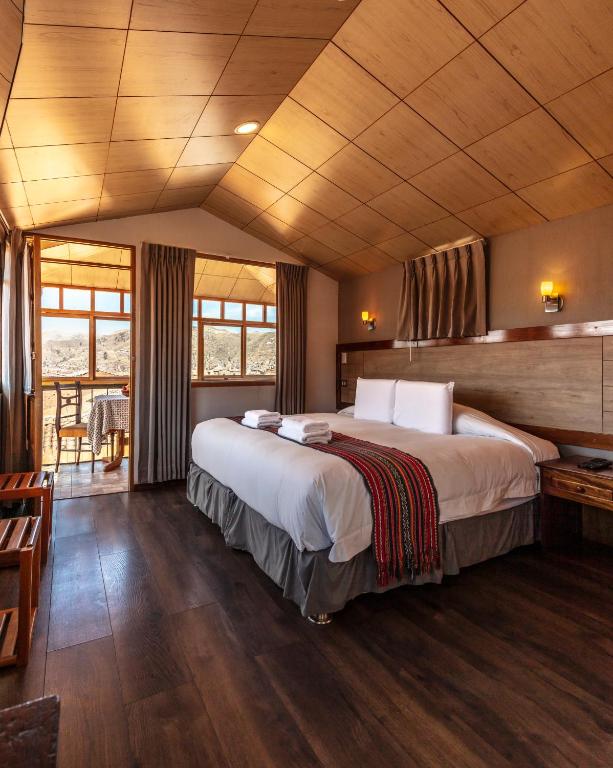
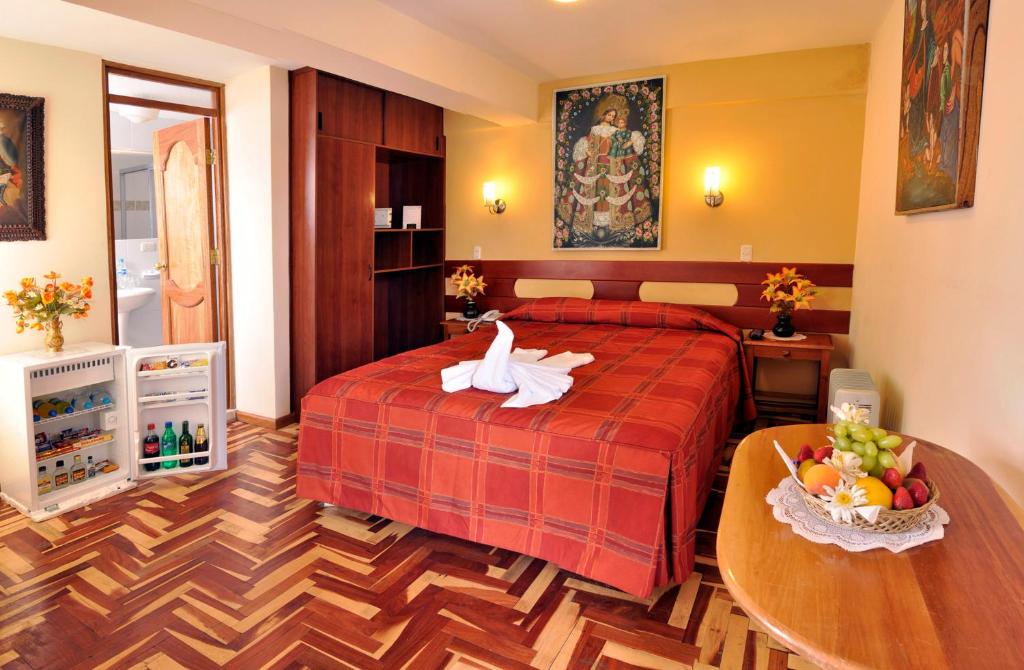
Experience local tourism by staying in private homes.
-
Combine the visit with tours to other archaeological sites like Qenqo or Puca Pucara.
Ideal for families, couples, student groups, and travelers interested in pre-Hispanic history.
Cultural and Social Importance
Inti Raymi is not just a festival, but also a symbol of cultural resistance, regional pride, and historical continuity.
Its importance lies in:
-
Reviving a millenary tradition banned during the colonial period.
-
Becoming an internationally recognized tourist event.
-
Being a meeting point between history, spirituality, and the community.
-
Promoting knowledge of the Andean world among new generations.
Visiting this event means immersing yourself in a way of life where the Sun, the earth, and memory are sacred.
Tips for Your Visit
-
Wear warm clothing (the cold is intense at night).
-
Carry enough water and energizing snacks.
-
Respect cultural practices and avoid interrupting the reenactments.
-
Coordinate your visit with local guides or agencies offering responsible tours.
-
Wear comfortable shoes for walking on uneven terrain.
-
Bring a camera or recorder if you are interested in documenting the experience.
-
Plan ahead, as the attendance can be very high.
Why visit this festival?
-
Experience a unique opportunity for direct contact with Inca culture.
-
Learn about a tradition that survived through time and remains vibrant.
-
Perfect for travelers interested in history, dance, and cultural tourism.
-
Enjoy authentic music, dances, and performances in their natural setting.
-
Ideal as a popular yet profoundly meaningful destination.
-
An event where the past lives on today, amidst the mountains of Cusco.


Destinos Destacados
-
AUSANGATE – Cusco
The Ausangate Lakes are a group of crystal-clea... -
Bosque seco del Marañon
El bosque seco del Marañón es un fascinante lug... -
Cañón del Colca
El majestuoso Cañón del Colca, en Arequi...

© 2026 All rights reserved. Naturatourism.com
Some images used on this website come from official and private sources, including PROMPERÚ, peru.travel, Wikimedia Commons, and local tourism agencies, for the sole purpose of tourism promotion and destination awareness.